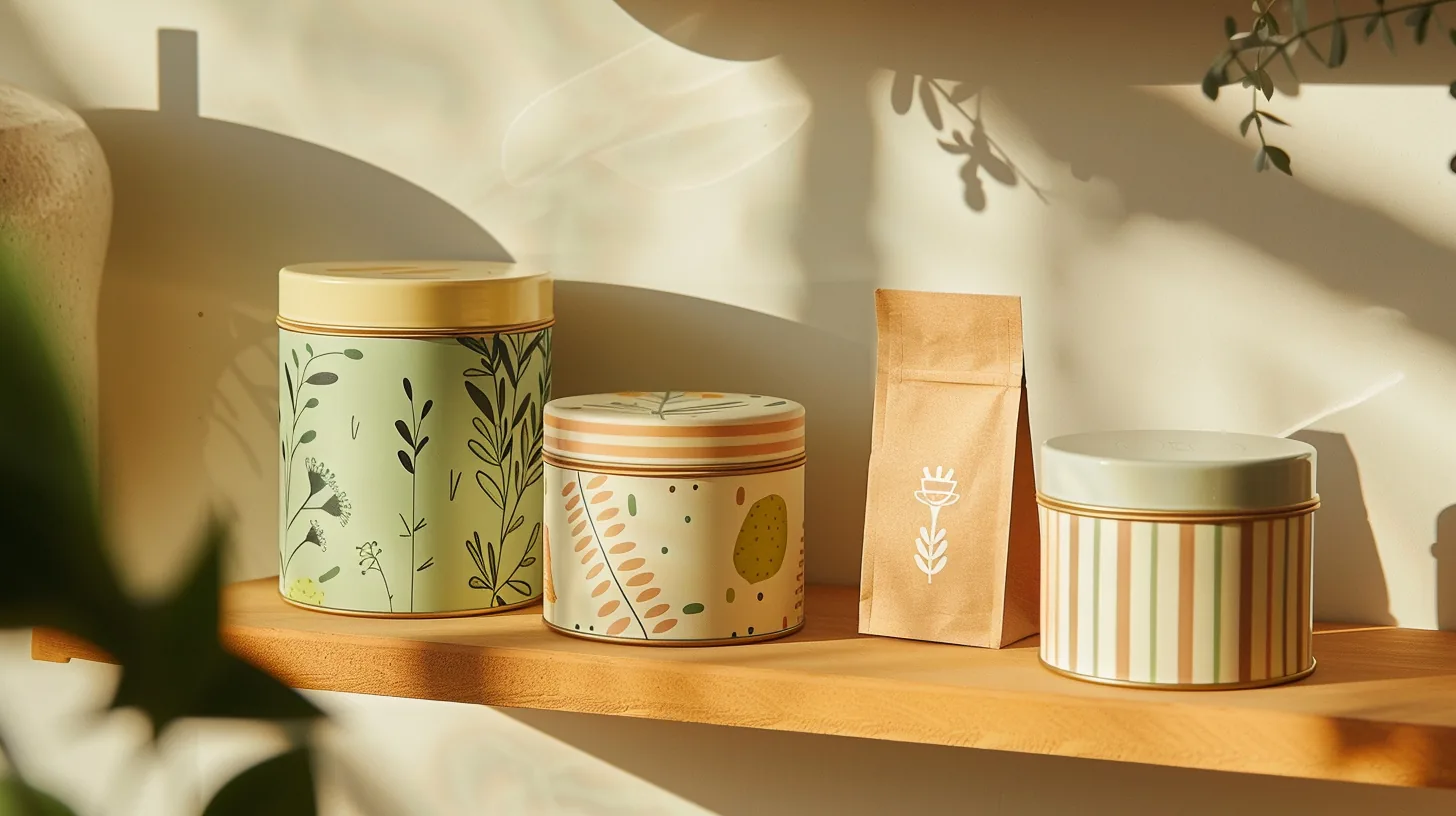
Look in the average kitchen drawer, sewing basket, or garage shelf and you will almost certainly find a tin doing a second job. A biscuit tin holding screws. A tea tin full of hair ties. A breath-mint tin organizing guitar picks. A DAVIDsTEA tin that now lives on a desk, holding pens. This is not a marketing theory — it is a behaviour almost every household recognizes. For decades, decorative tins have quietly been running the world's most informal reuse economy — and refillable tins are how brands finally formalize it.
Now the formal one is catching up. Regulation is moving toward reuse as a default rather than a nice-to-have, consumer demand for refill systems is rising, and brands are starting to ask a question that tin packaging is unusually well suited to answer: what if the container were permanent, and only the product inside was replaced?
The reuse economy is no longer a niche trend
Two things are happening at once, and they reinforce each other.
The first is regulatory. The EU's Packaging and Packaging Waste Regulation (PPWR, Regulation 2025/40) entered into force on 11 February 2025 and becomes applicable on 12 August 2026. Among its measures, it introduces binding reuse targets — including 10% of beverages in reusable packaging by 2030, rising to 40% by 2040, and 40% of transport packaging reused by 2030, climbing to 70% by 2040. The HORECA sector will be required to let customers bring their own refillable containers at no extra charge. France has moved earlier with national reuse mandates under its AGEC framework. Whether or not a brand sells into Europe today, these targets set the direction of travel, and non-EU regulators tend to follow.
The second is commercial. The refillable packaging category is expanding as brands respond to both regulation and consumer pull, and consumer interest in refill formats is running ahead of the retail infrastructure that would support it at scale. Surveys consistently show meaningful willingness to pay a modest premium for sustainable packaging, with the highest receptivity concentrated among younger, design-literate consumers.
Willingness to pay is not unlimited, and it softens when budgets tighten. But the direction is clear, and the demographic most open to reuse is exactly the audience that decorative tins already speak to.
Why tin is built for a second life
A refillable packaging format has to clear a short list of practical tests. It has to survive many handling cycles, keep its finish, accept standardized refill inserts or pours, and remain something the customer wants to keep on a shelf. Tin checks all four boxes, and does so almost incidentally — the properties that make tin a strong primary package also make it a strong permanent one.
Durability. Tinplate holds its structural shape across hundreds of open-close cycles. Lids that are stamped properly seat the same way on the fiftieth open as on the first. Glass can chip, plastic fatigues, paperboard softens — tin mostly just stays tin.
Desirability. This is the point that gets undersold. A tin is an object people already want on display. The refill economy for plastic bottles relies on guilt to work; the refill economy for tin relies on affection. A beautifully embossed tin is a shelf piece, not a container to be hidden in a cupboard. That changes the behavioural economics of refilling entirely. You do not need to convince the customer to keep the tin. They were going to keep it anyway.
End-of-life honesty. Tin is infinitely recyclable without quality loss, and steel packaging already achieves a recycling rate of 84% across the EU in 2024 and around 90% in Germany. Even in the worst case, where the tin eventually leaves the household, the material goes back into the system. That matters when the conversation with a brand's sustainability lead turns to what happens in year ten, not just year one.
Food-safe by default. All paints and coatings on a properly specified tin are food-grade, which matters enormously once you start thinking about refill formats that touch food — tea, coffee, chocolate, confectionery, gourmet snacks. The same tin that held the original product can hold the refill without a material question mark.
What a tin refill program actually looks like
The candle industry has already built a functioning template. Refillable candle systems — both established operators and newer entrants — sell a reusable vessel once, then sell aluminum wax inserts or DIY refill kits that drop directly into the existing container. The customer removes the spent insert, drops in the new one, and lights it. The tin (or ceramic, or glass) stays on the shelf indefinitely. The brand becomes a recurring purchase rather than a one-off.
Translate this model into tin, and the playbook becomes clear across several categories.
Candles. A matte black tin with an embossed Art Deco lid. The customer buys the candle once. Subsequent purchases are wax refill pucks sized exactly to the tin's interior diameter — 72mm, for example — sold individually or on a subscription cadence. The brand mark is embossed into the tin itself, not printed onto a label that will wear off.
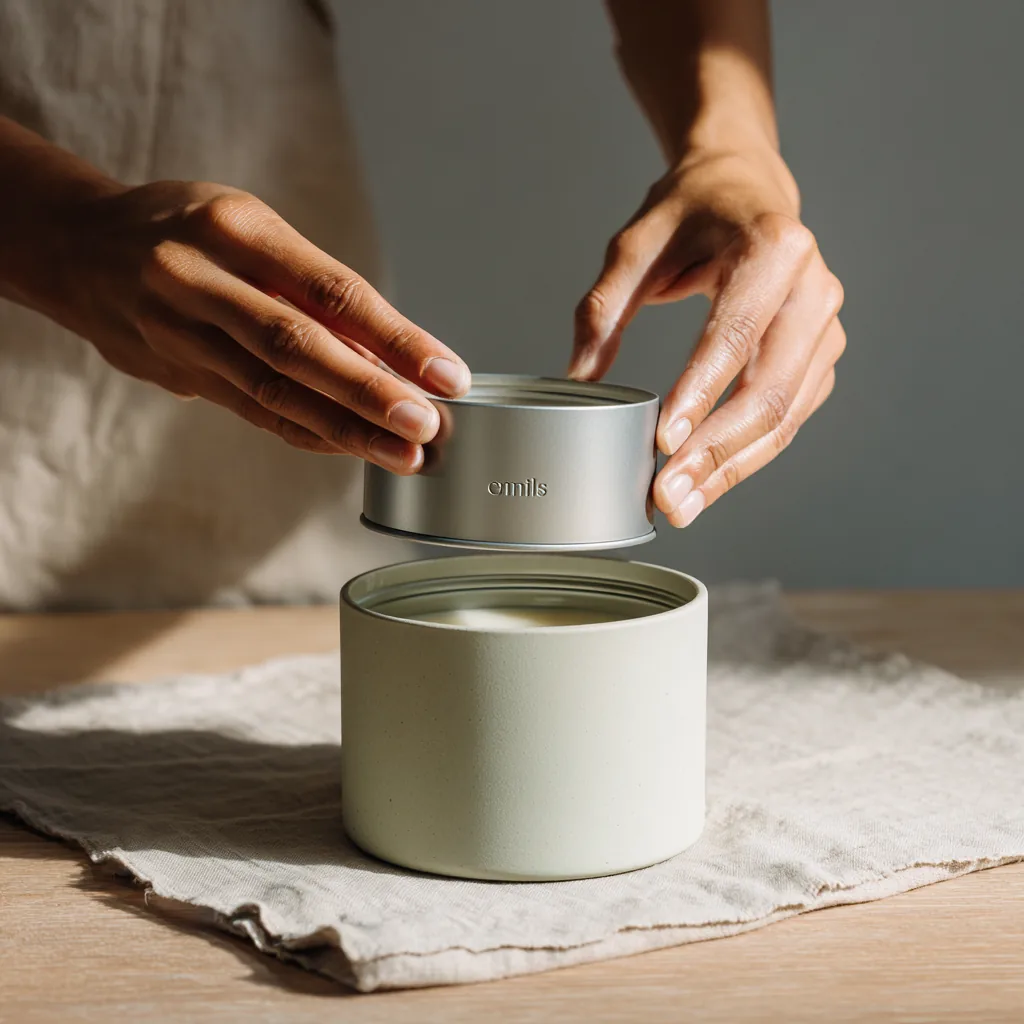
Tea and coffee. The tin functions as the permanent caddy — opaque, moisture-resistant, sized to live on the kitchen counter. Refill pouches are sold in the original scent or flavor, with new seasonal ones rotating through. The tin offers a stable, attractive home for the product; the pouch handles a lower-cost, lower-footprint refill. DAVIDsTEA tins already live this second life informally in millions of kitchens. A formal refill program would simply give customers a reason to come back.
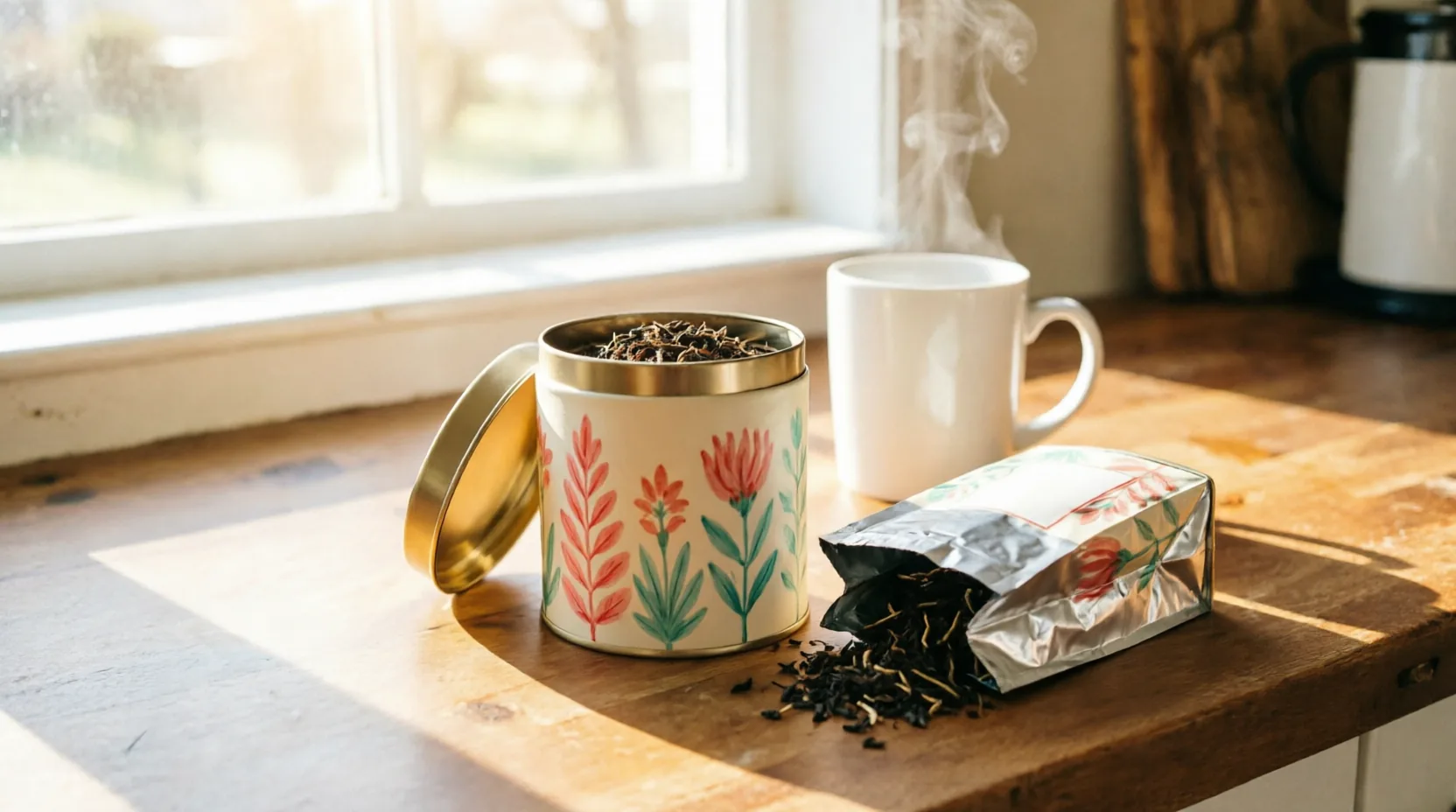
Bath, body, and confectionery. Solid formats — bath salts, scrubs, mints, boiled sweets, chocolates — are the easiest food-and-cosmetic refills because they don't require return-and-sanitize logistics. The customer receives a refill in a lightweight secondary pack (pouch, paperboard inner, small foil pack) and transfers it into the tin.
Return-and-sanitize programs. For categories where home refill is not practical — fresh baked goods, certain cosmetics — the alternative is a deposit-return model, where customers send the tin back for professional cleaning and re-filling. This is the more operationally demanding option, but it exists at scale for glass milk bottles and is gaining ground in other categories. Tin's resistance to repeated washing and minor handling damage makes it a reasonable candidate where glass would break.
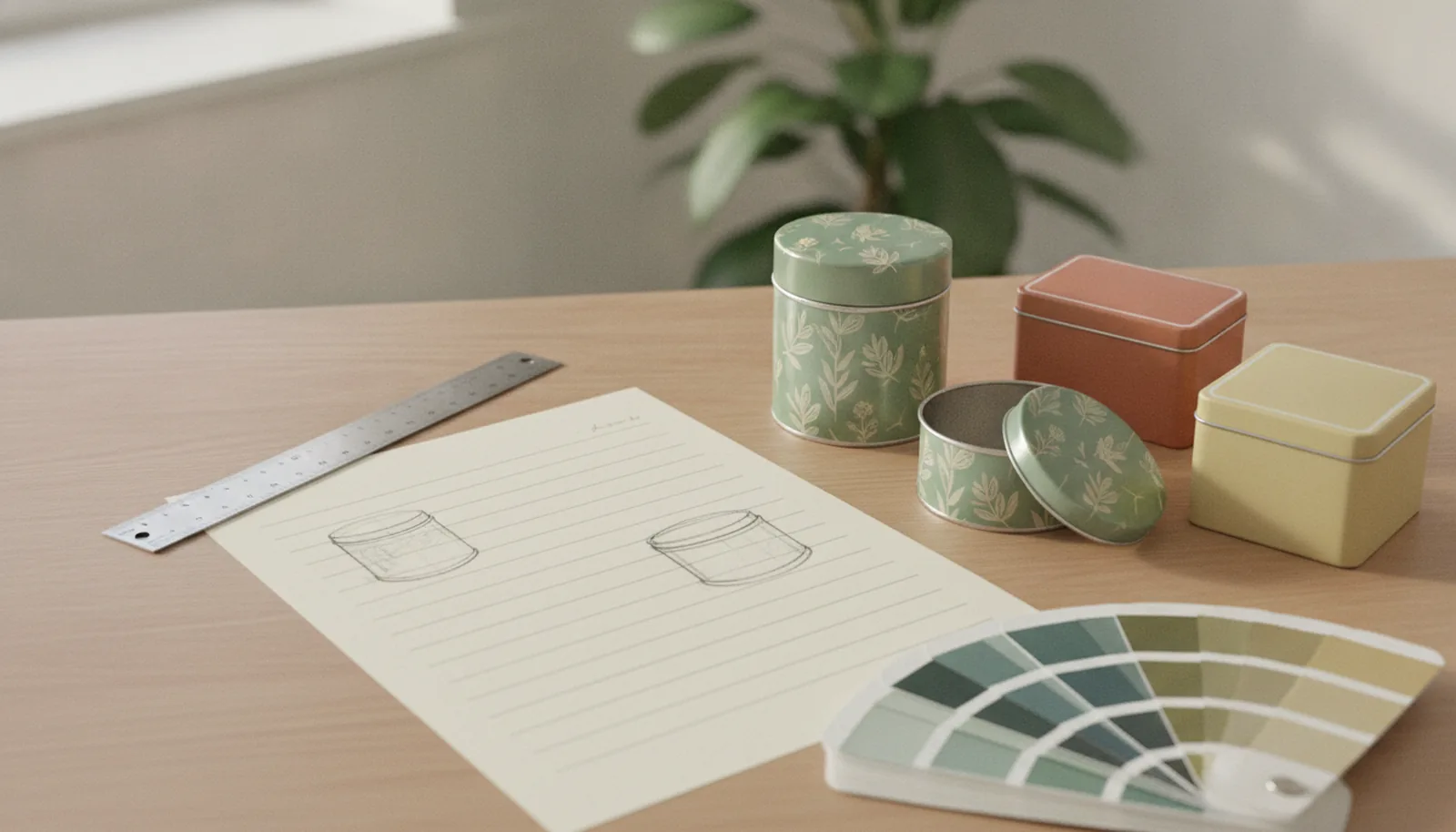
Designing a tin specifically for refill
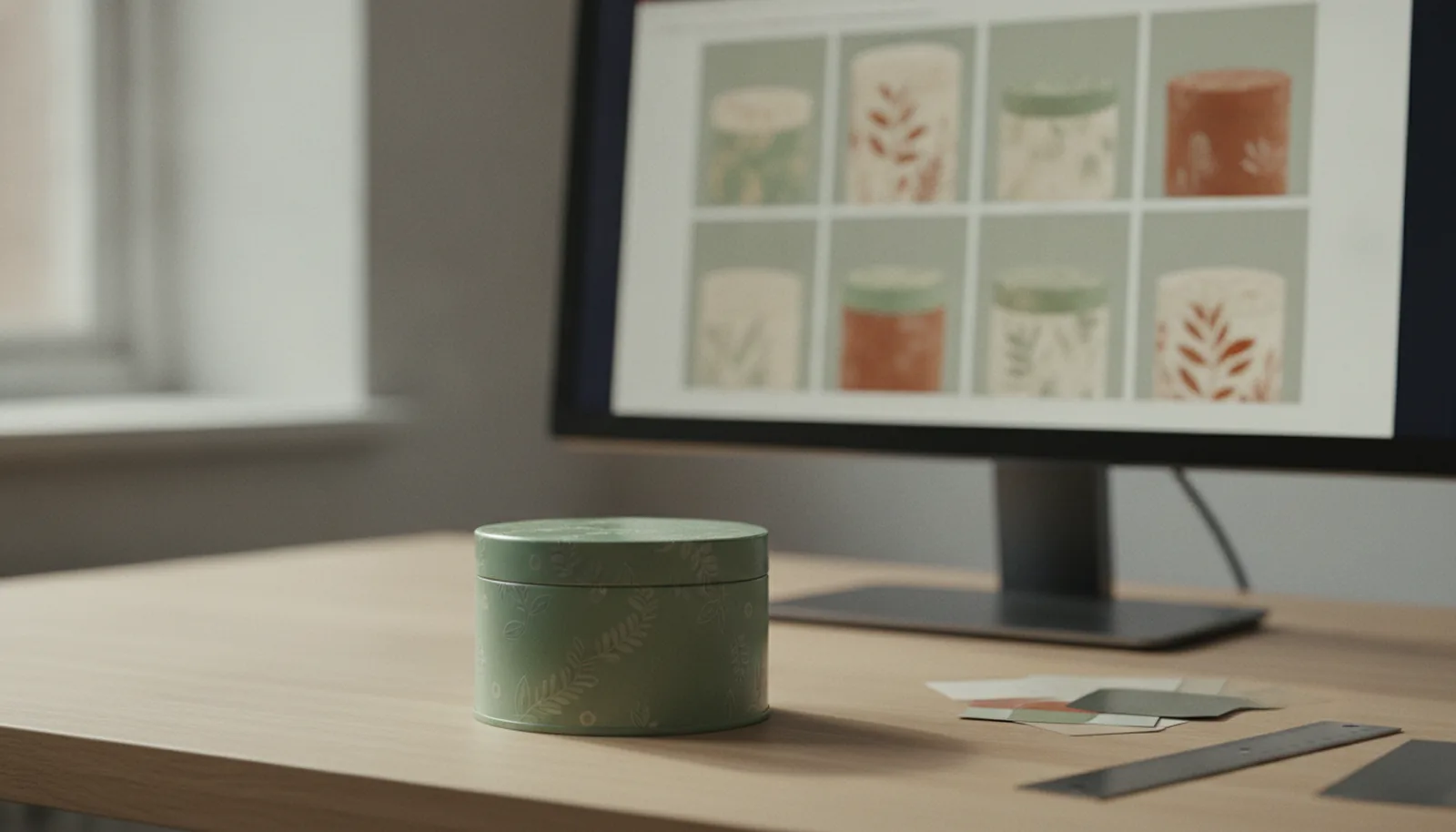
A tin designed for single use and a tin designed to live on a shelf for a decade are not the same object, even if they look similar at first glance. A few things we have seen matter more than buyers expect.
Lid seal mechanics become critical. On a single-use tin, a slightly loose slip lid is a minor issue; on a refillable tin that will be opened and closed hundreds of times, the lid-to-base fit determines how long the product inside stays fresh. Hinged lids, slip lids with a tight tolerance, or screw-thread closures each behave differently over time, and the right choice depends on the refill format.
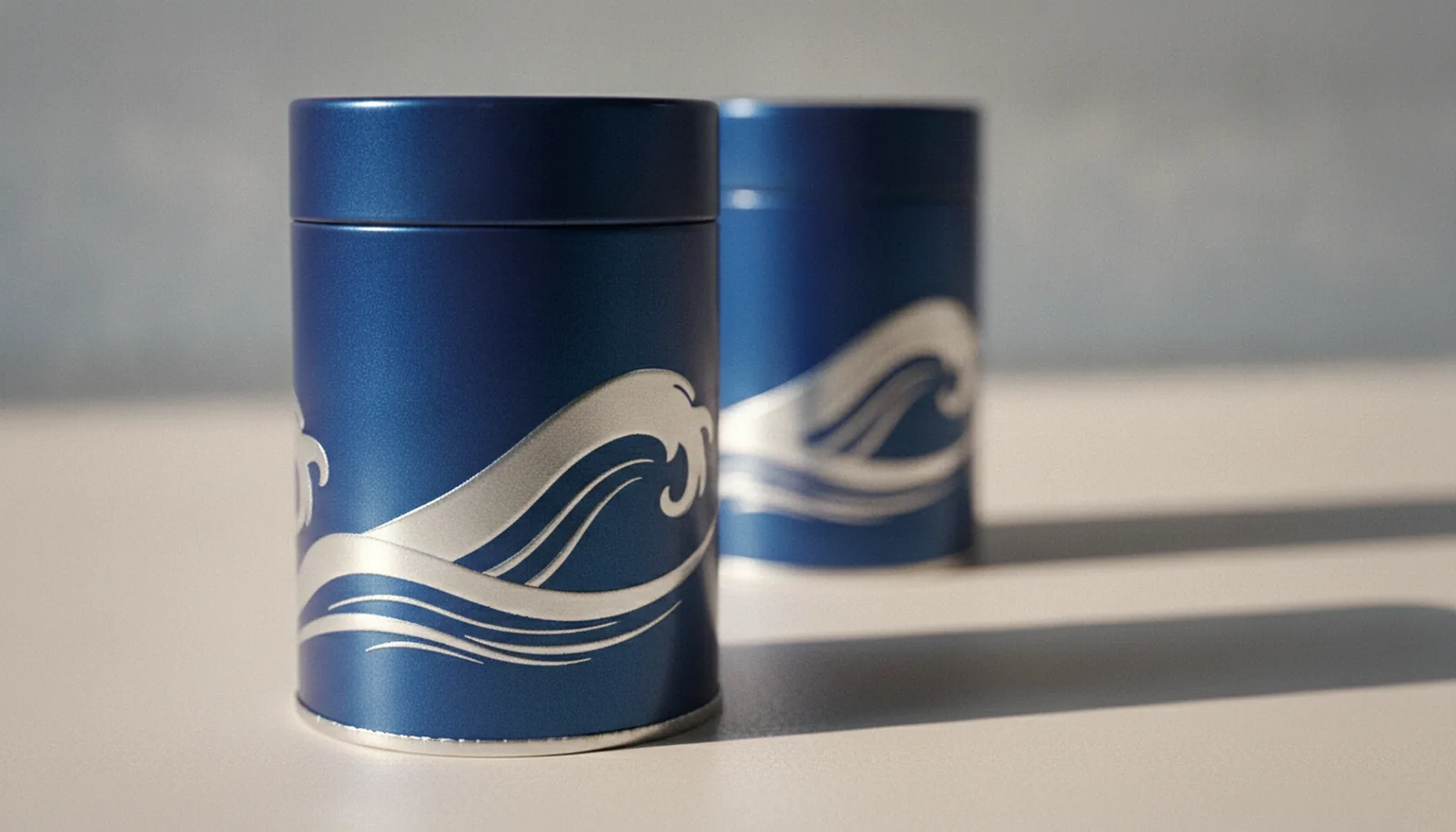
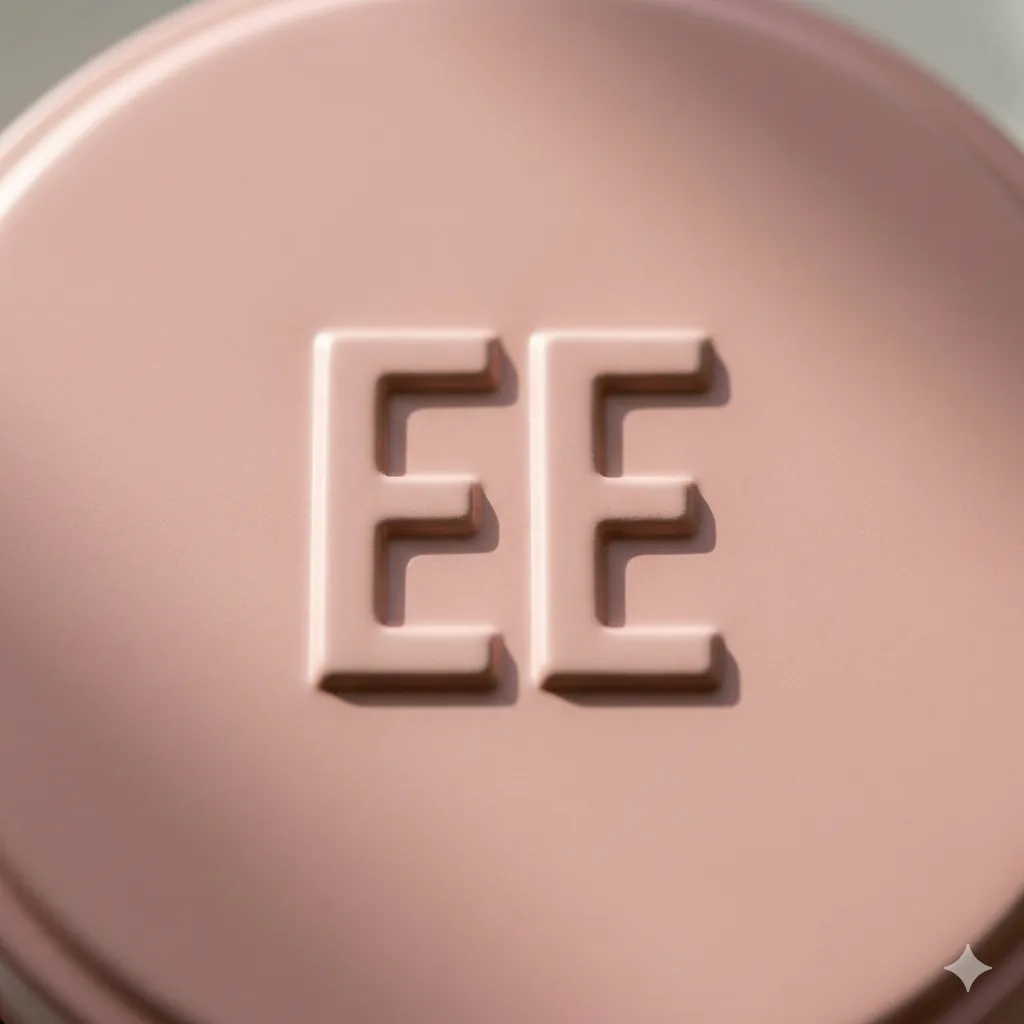
Embossing outlasts printing. A printed surface — even a lithographed one — will show wear after several years of regular handling. Embossing, which impresses the pattern into the metal itself, does not fade, scratch, or peel. For a tin meant to be permanent, an embossed brand mark or pattern is not a decorative choice; it is a durability decision. Our factory can hold embossing precision to 1mm, which is tight enough to carry a full geometric pattern across the lid and sides without distortion.
Standardize the interior. The refill depends on it. If the tin's internal diameter drifts between production runs, the refill insert will not drop in cleanly. This is mostly a mold discipline — once the tin is tooled, the interior is fixed — but it means brands need to think about the refill format at the design stage, not after the first run.
Brand mark placement. Put the brand where it will not wear — embossed on the lid, debossed into the base, or litho-printed in a recessed area that handling doesn't touch. Full-wrap printed logos on the body of a refillable tin will show their age in a way that undermines the premium positioning the tin was meant to deliver.
Food-grade throughout. If the tin might ever hold food — and refill programs often extend into food categories over time — every coating should be food-grade from the start. Retrofitting a tin for food contact later is harder than specifying correctly at the outset.
The honest trade-offs
Refillable tin programs are not free wins, and it is worth naming the friction.
The initial tin costs more than a folding carton or a plastic jar — often substantially more. The brand has to price the first purchase against a higher cost basis, or eat the margin and recover it on refill sales over time. Subscription models and loyalty mechanics help here. So does clear communication that the tin is a one-time purchase.
Customer education matters. A tin that arrives with no explanation of the refill program is just a tin. The refill has to be visible at purchase, either in-pack, on-pack, or in the first follow-up email.
Not every product refills cleanly. Anything that stains, smells persistently, or reacts with residue is harder — oily cosmetics, strong spices, anything with essential oils. Design accordingly, or route those products into return-and-sanitize programs rather than home refill.
And MOQs are real. A refillable tin program is a commitment to a single structural design for years, because the refill depends on the tin's geometry. Brands need to be comfortable with the mold they choose, because changing it resets the refill system.
Why now is the right moment
There is a version of this argument that leans entirely on regulation, and a version that leans entirely on consumer sentiment. Both are true, but the more interesting case is the alignment. The EU is codifying reuse as a legal requirement over the next five to fifteen years. Consumers — particularly Gen Z and Millennial consumers — are already showing up with the behaviour and the willingness to pay. And tin, almost uniquely, is already the packaging format that customers voluntarily keep.
A brand that launches a formal refill program in 2026 is not asking the customer to change their behaviour. It is asking them to formalize a behaviour they already have. That is a much easier ask than "please start saving the packaging."
Thinking about a refillable tin program
If a refillable tin program sounds like a fit, here are the questions worth answering before anything else.
1. What is the refill format? Insert, pouch, loose pour, or return-and-sanitize. The answer drives the tin's interior geometry and closure.
2. What is the repurchase cadence? Monthly, seasonal, annual. This shapes how the refill is merchandized and how the loyalty mechanic is priced.
3. Is the brand mark on the tin built to last? Embossed, debossed, or recessed-printed so it survives years of handling.
4. Does the tin design anticipate food contact even if the launch product isn't food? Food-grade coatings throughout are cheap insurance.
5. Are the factory tolerances tight enough that refill packs designed today will still fit tins produced three years from now? Existing-mold projects remove most of this risk.
Stannum Can has spent decades making decorative tins for the kind of brands that customers keep — cookie, tea, candle, confectionery, cosmetic. Our in-house design and innovation team works with brands on custom mold development, structural design, and precision embossing that holds up across years of handling. For brands thinking through what a refillable tin program would look like for their category, from the lid mechanics to the refill insert, get in touch — we have seen enough of this shift to have opinions worth testing.
The tins customers save are already doing the work of a refillable packaging system, quietly, on shelves around the world. The brands that notice first get to build the formal version.
Related reading: