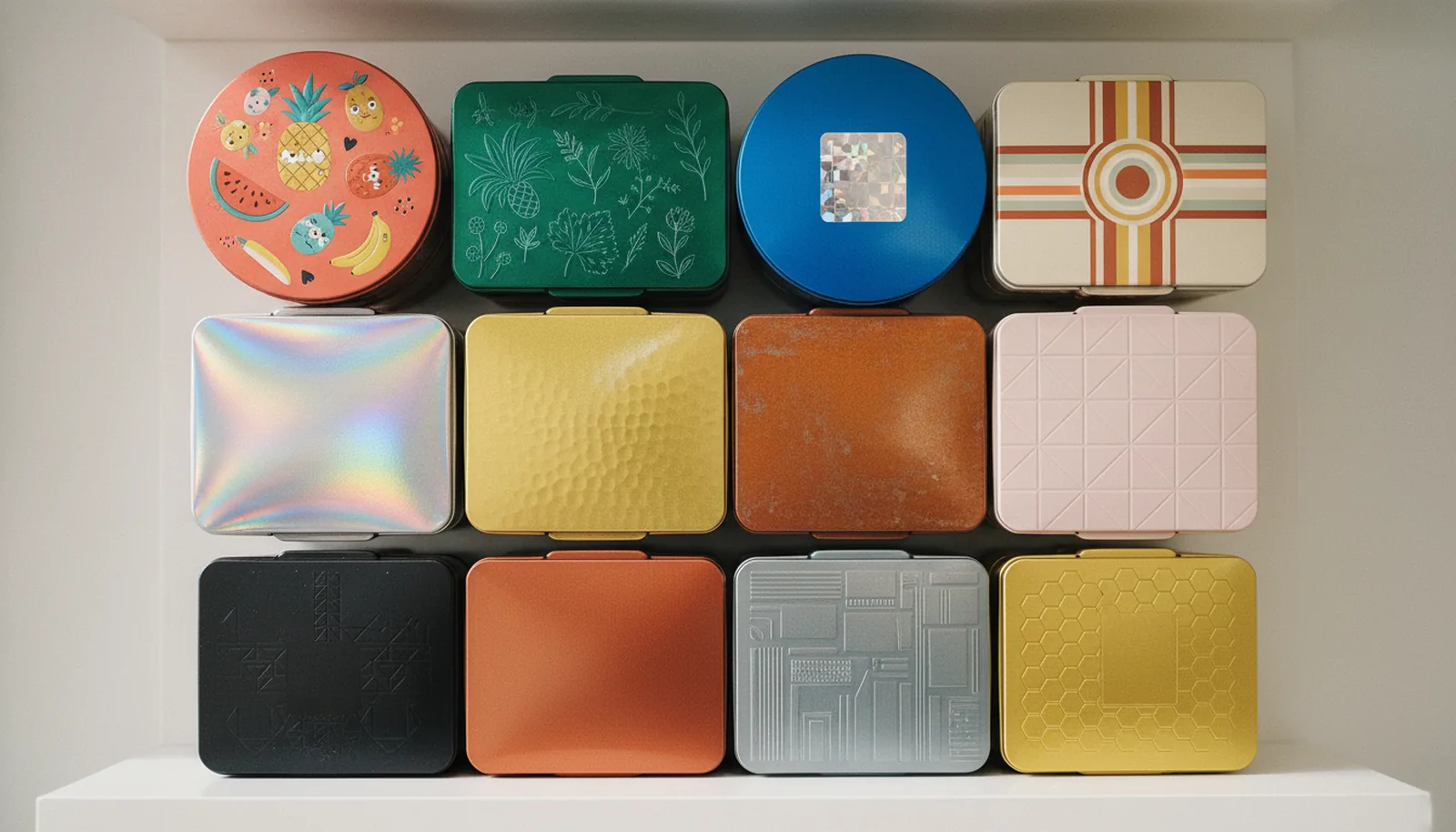
If you've ever set a calendar alert to buy a hoodie, you already understand the mechanic that is quietly reshaping how food, beauty, and spirits brands think about packaging. The hoodie wasn't special because of the cotton. It was special because there were only so many of them, they appeared on a known schedule, and once they were gone, they were gone. That's a drop — and brands well outside fashion have noticed that the same logic works just as well on a tin. The result is a wave of limited-edition tin drops landing in food, beauty, and spirits.
The interesting part isn't the hype. It's what's left over after the hype fades. A sold-out sneaker lives in a closet. A sold-out tin tends to stay on a shelf, get refilled, hold something else entirely — and keep the brand in the room long after the product inside is finished. That durability is the reason tin and the drop model fit together so naturally, and it's worth unpacking how brands are using it.
What a "drop" actually borrowed from streetwear
The drop wasn't invented by Supreme, but Supreme is where most people learned the rules. The tactic came out of Japanese streetwear labels that would release one or two of a coveted shirt at a time, and the formula that emerged was simple: announce on short notice, release in small quantities on a fixed cadence, and keep supply slightly below demand. The scarcity does the marketing for you.
It works in numbers that are hard to argue with. A Supreme x Rimowa suitcase collaboration sold out almost instantly when it dropped in 2018 — at a price well north of a thousand US dollars — off the back of a single social post a few days ahead. The mechanism isn't the product. It's the format: a limited run, a clear window, and a reason to act now instead of later.
What translates beautifully from apparel to packaging is the idea that the container itself becomes the collectible. A box-logo tee and a numbered tin are doing the same job — signalling membership, marking a moment, and giving someone a reason to keep something they'd normally throw away.
Why tin is the natural format for a drop
There's a reason the cookie-tin-as-sewing-kit is a cliché. People keep tins. A cardboard carton gets flattened and recycled the week it arrives; a tin migrates to a desk drawer, a pantry shelf, a bathroom counter, and stays in service for years. For a brand running a limited release, that afterlife is the entire point — every kept tin is a small, durable billboard sitting in someone's home.
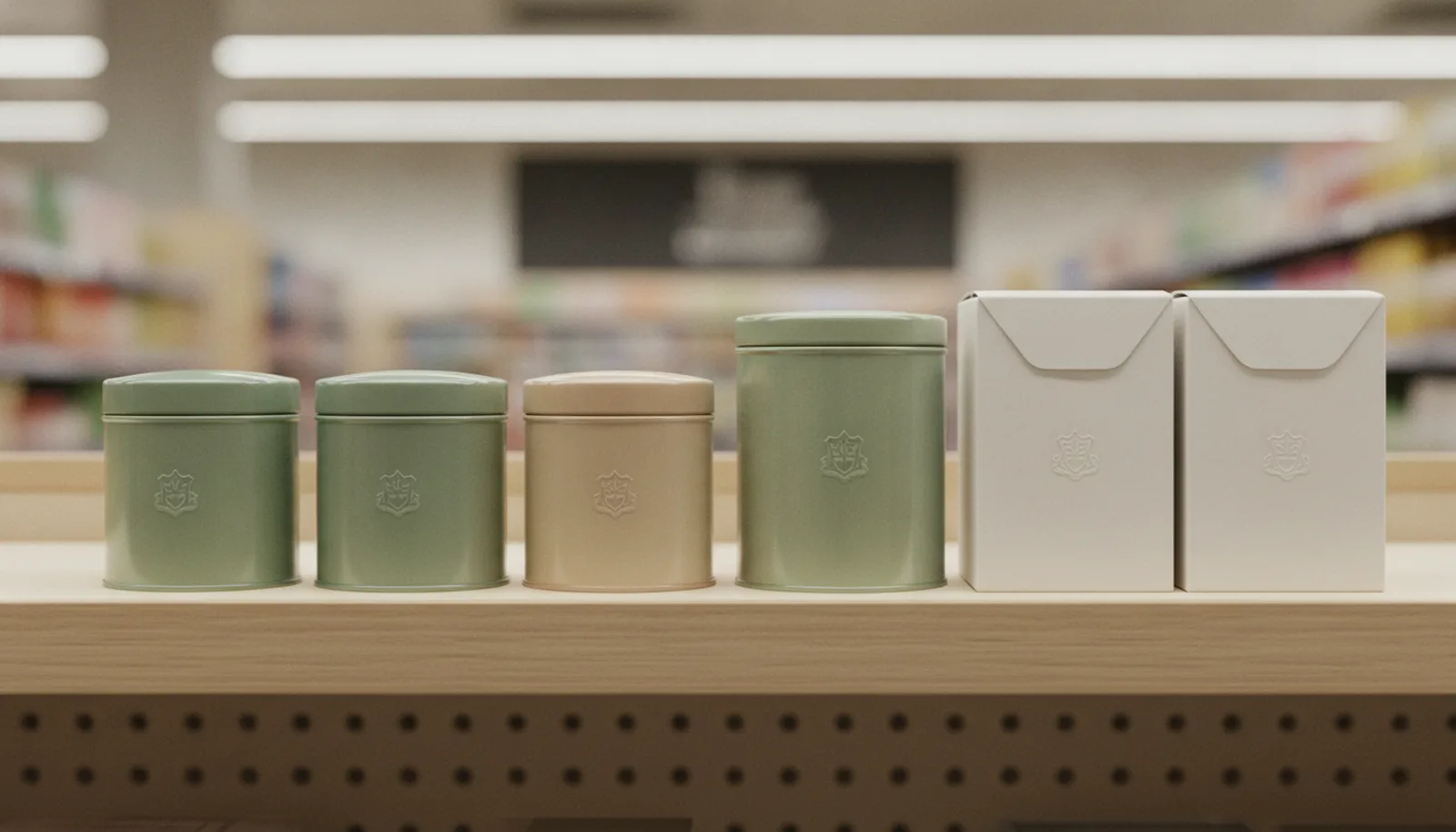
Tin earns that loyalty through things you can feel. A genuinely embossed lid, a debossed logo, a soft-touch matte body against a high-shine foil panel — these are tactile cues people associate with something worth holding onto, and they read as "special edition" before a customer has even processed the artwork. That's the same instinct behind the textured, embossed packaging beauty brands have leaned into, where the surface does as much work as the print. We've made the case before that the right finish can change how a tin is perceived entirely, and a drop is exactly the moment to spend on finish, because the packaging is the product story.
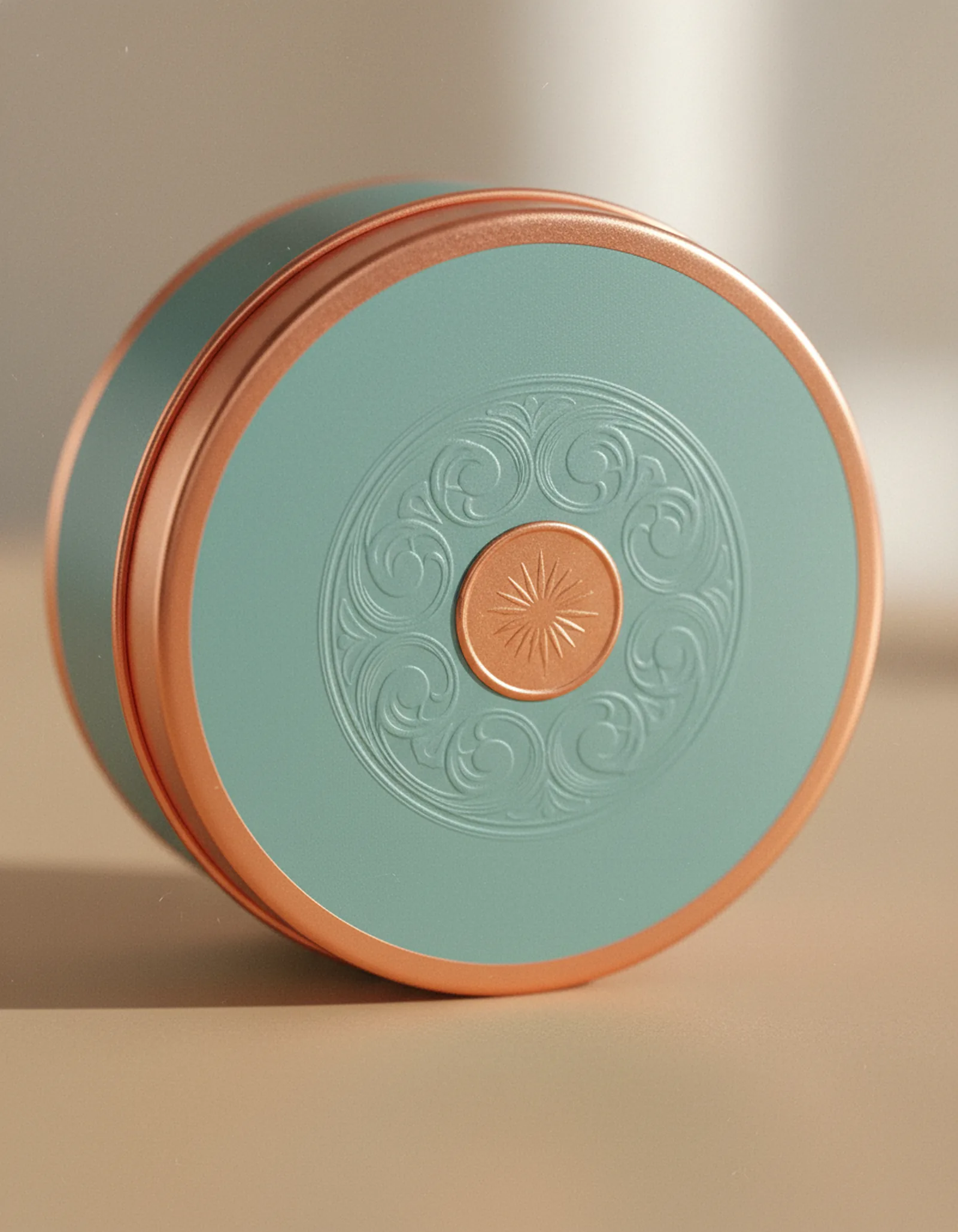
It also helps that tin holds up to the one thing collectibles need to survive: time. A limited release only becomes collectible if it's still intact in two years, and metal outlasts paper and resists the chips and breaks that take glass out of circulation. The collectible economy quietly depends on durability, and tin has it built in.
How brands are already running tin drops
This isn't a forecast. It's already happening across exactly the categories you'd expect.
In food, heritage brands like Old Bay have leaned into tin's nostalgic pull with hometown sports tie-ins and limited collectible runs — heritage packaging plus a regional hook, released for a window rather than a season. Confectionery giants have done a softer version of this for years, refreshing their holiday tins annually so that the tin itself becomes part of the seasonal ritual. A related format runs the same logic on a shorter cycle — subscription programs that use one committed tin structure and swap the artwork every month or quarter — trading the scarcity of a drop for the slow accumulation of a collection on the shelf. And entertainment collaborations regularly use small, numbered tin runs as the centrepiece of collector's sets — the tin doing the heavy lifting because it's what fans keep.
Spirits may be the most mature category of all. Limited editions are a core part of how the industry operates — Diageo's annual Special Releases exist precisely to package small-batch liquid in distinctive, often collectible formats — and the tin gift box has long been the dressed-up version of a bottle people actually keep. The bottle gets emptied; the tin stays.
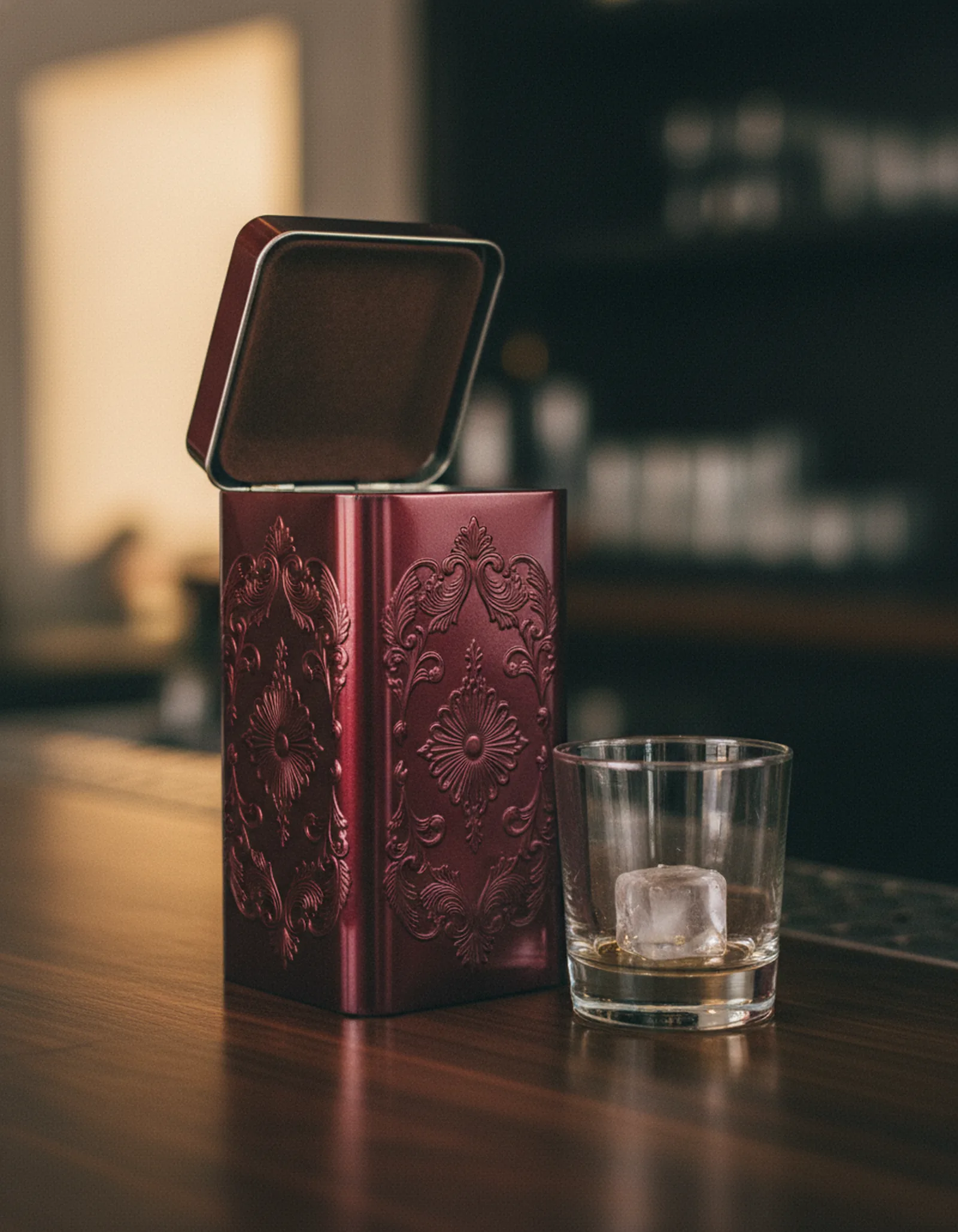
The thread running through all of these is the same: the brands aren't selling packaging as a cost line. They're using a limited packaging run as a marketing event, and the tin is what makes the event last.
The production reality — what actually makes a tin drop feasible
Here's where the idea meets the factory floor, and where it gets more honest. The instinct most brands have is that "limited edition" and "small batch" should be cheap and fast. Tin doesn't always cooperate, and the reason is tooling.
A custom tin shape needs a mold, and a new mold is the expensive, slow part of the process — it typically adds four to six weeks before anything is produced. If every drop required a fresh mold, the math would rarely work for a short run. That's the constraint that quietly kills a lot of good limited-edition ideas before they start.
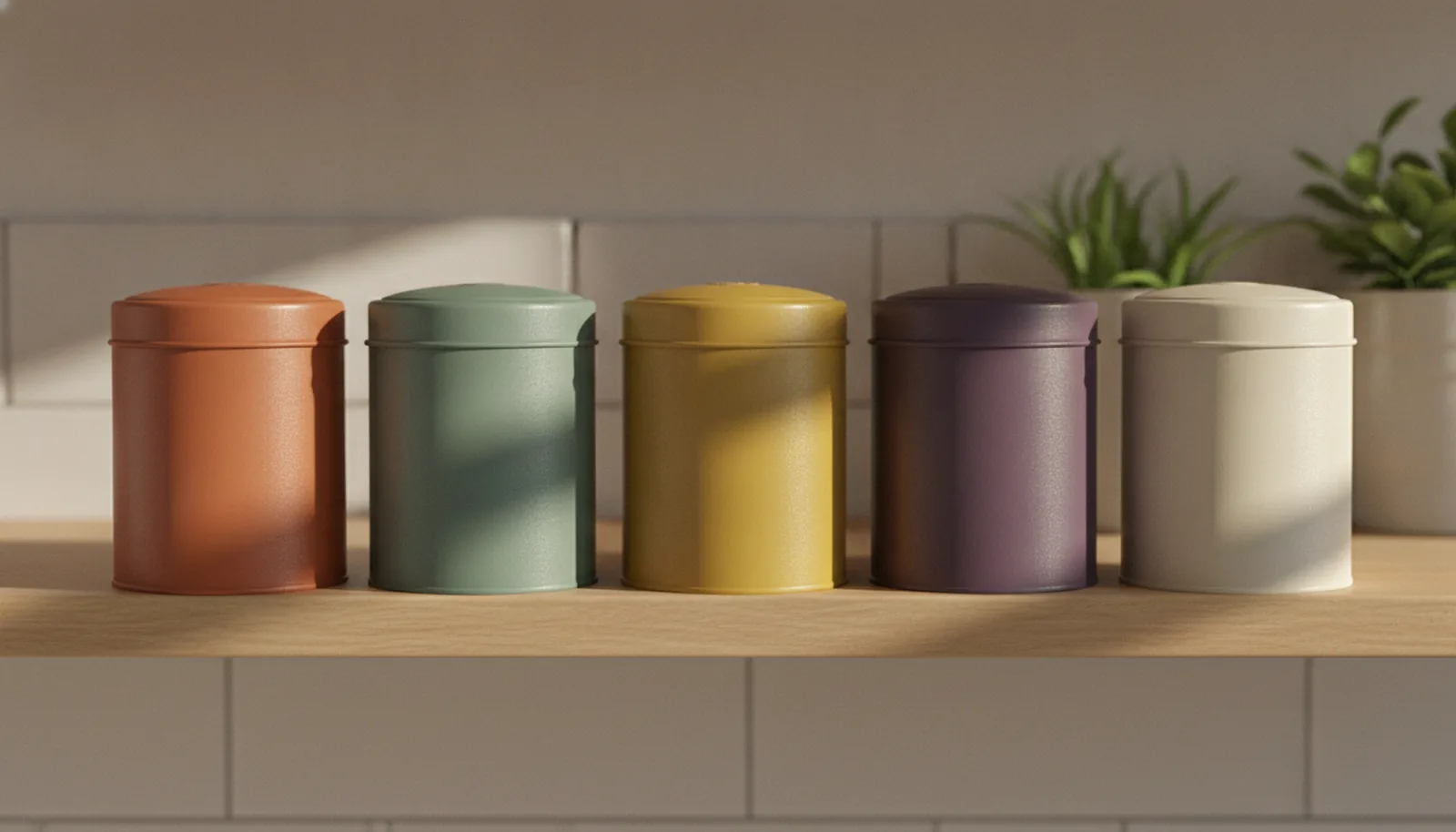
The way around it is to separate the shape from the artwork. With a library of existing molds to design around — Stannum keeps more than 5,000 — a brand can skip the tooling wait entirely and treat the proven shape as a canvas. The drop then lives almost entirely in the print: a seasonal colourway, a collaborator's artwork, a numbered run, all applied through full-surface CMYK offset lithography with Pantone matching to hit exact brand colours. Running a shorter, distinct print batch on an established shape is a fundamentally different proposition from commissioning a one-off tin from scratch, and it's what makes a genuine drop cadence — spring, holiday, an artist collab in between — realistic rather than aspirational.
It also means timelines that fit a marketing calendar. Samples from an existing mold come back in roughly ten to fourteen days, and production typically runs thirty to sixty days depending on finish and order size — which is what lets a brand line a release up with a season or an event instead of guessing months out. Freight and lead-time planning is the other half of hitting a date, because a drop that lands two weeks after the moment has passed isn't a drop at all.
Designing a drop that holds up
A few things we've seen separate a tin drop that works from one that just costs more.
Make the scarcity real, or at least real enough. Part of what eventually drew criticism toward the early drop model was that some "limited" products weren't all that limited — the scarcity was an illusion. Consumers are sharper about this now. A run that's genuinely capped, ideally numbered or batch-stamped, gives people something the next print run can't replicate, and it's a small detail with outsized effect on whether a tin gets kept.
Spend the finish budget where hands go. The lid and the front face are what someone sees on a shelf and touches when they pick it up; that's where embossing or debossing, a foil accent, or a contrasting matte-and-gloss treatment earns its keep. Intricate detail down in a tight curl or lip rarely survives the eye or the process well, so it's worth concentrating the craft where it'll actually register.
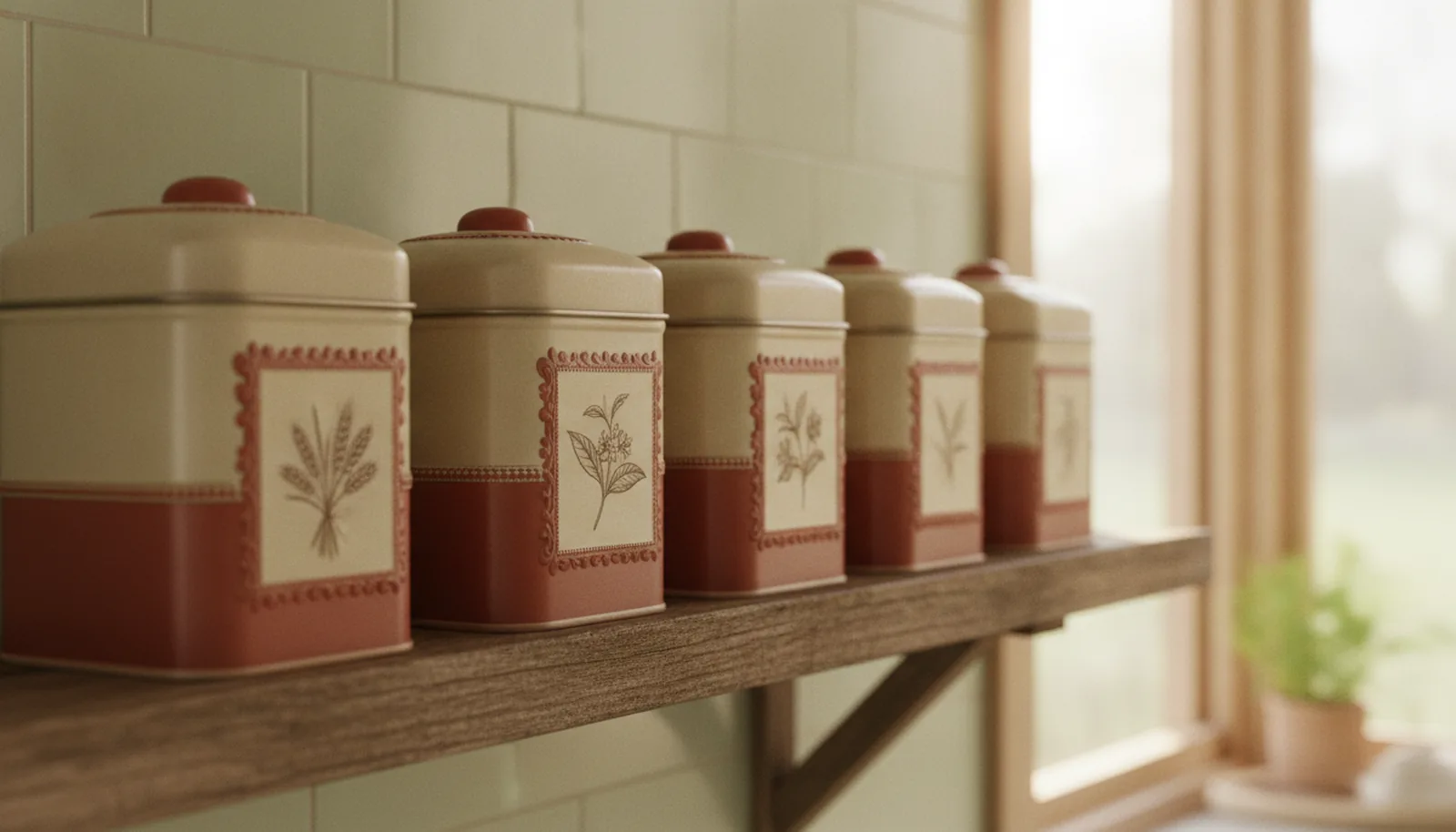
Design the second life on purpose. Because the tin will outlast its contents, it's worth asking what it becomes empty. A shape and size that's genuinely useful afterward — and there's a wide range of decorative directions a tin can take — quietly extends the campaign for years.
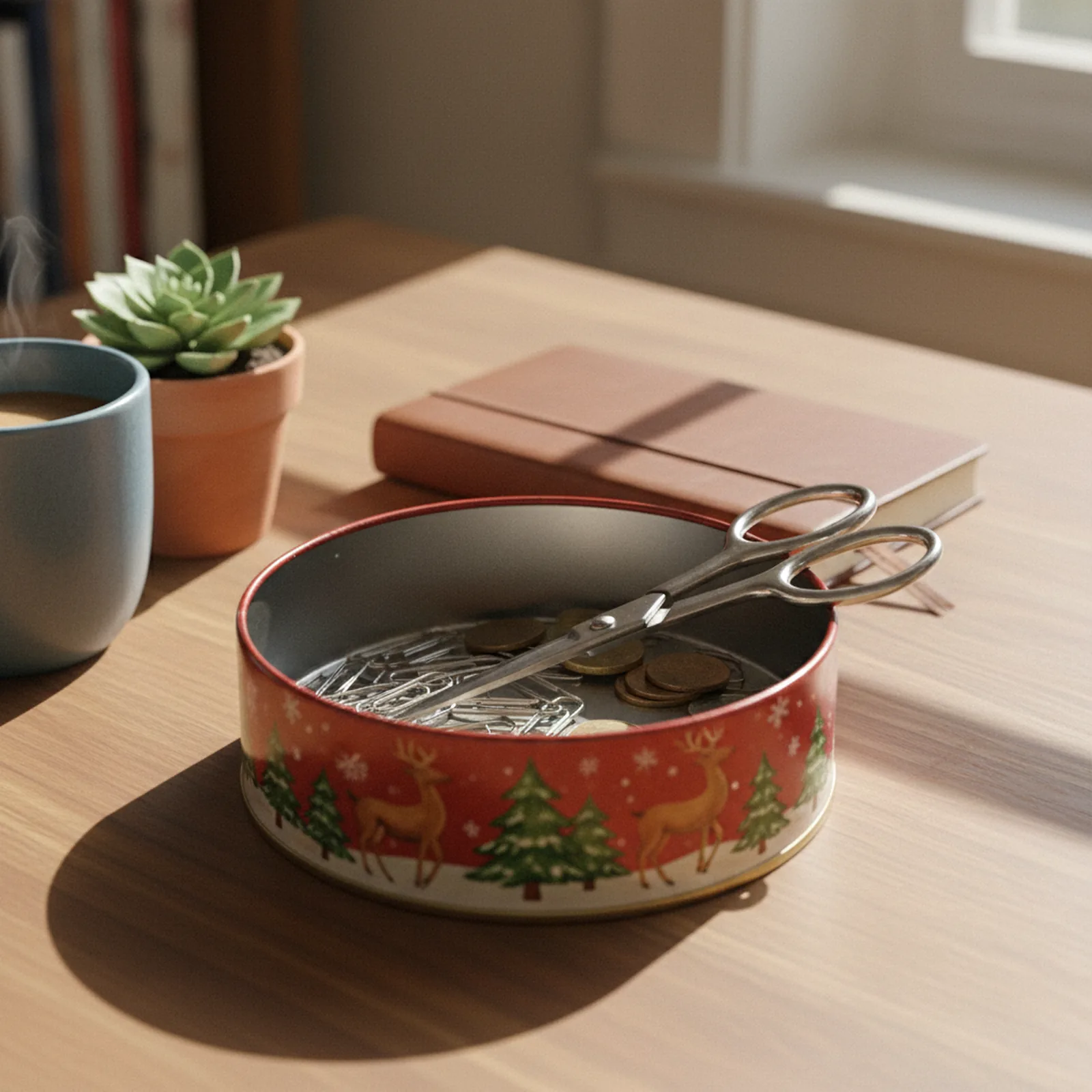
And lean on the one closing argument paper and plastic can't make: a kept tin is also a responsible one. Tin is infinitely recyclable without quality loss whenever it does eventually get retired, which means a collectible run doesn't have to come with a waste guilt trip — a point worth more in 2026 than it would have been a decade ago.
Turning a season into an event
The brands getting the most out of this aren't treating packaging as the thing that protects the product. They're treating it as the thing the product is an excuse to release — a reason to post, to queue, to keep. Tin is the format that rewards that thinking, because it's the rare package people choose not to throw away.
If you're weighing a seasonal release, a collaboration, or a numbered run and want to know what's actually feasible on a real timeline — which of our existing shapes could carry it, what the finish options look like, and how to hit a launch date — that's the kind of project we like. The shape is probably already on our shelf; the drop is in the print.