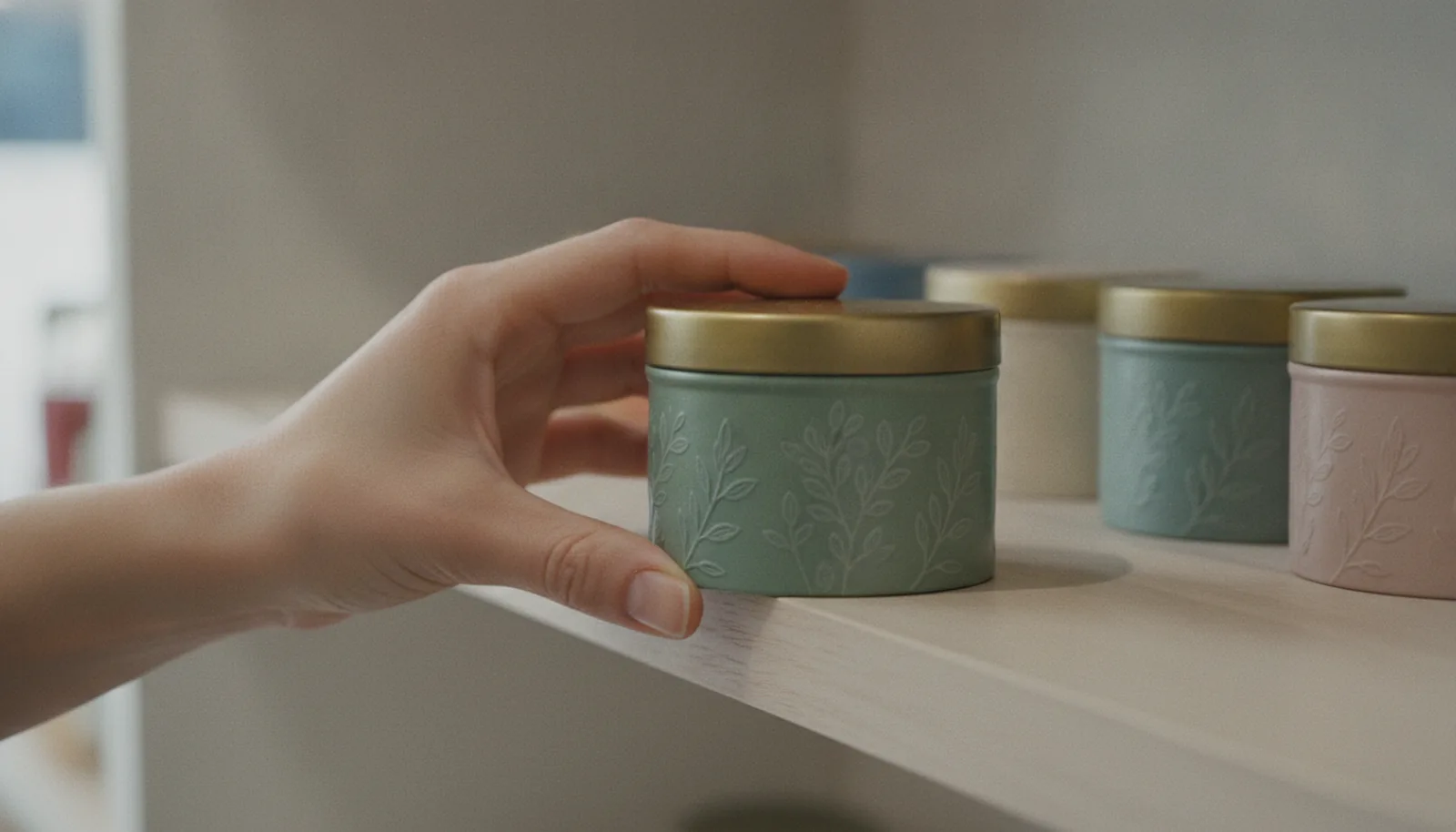
Pick up a product in a store and something happens before you've read a single word on the label. Your hand registers how heavy it is, how cool or warm the surface feels, and — if you open it — the sound it makes. You don't think about any of this consciously. But your brain is already doing arithmetic, and the answer it reaches is a number: roughly what this thing is worth.
That's the uncomfortable, useful truth behind decades of consumer-psychology research. The value a customer assigns to a product isn't set by the product alone. It's shaped by a set of physical cues that have nothing to do with what's inside — cues researchers call non-diagnostic, because they don't actually tell you anything reliable about quality. Weight is one. Temperature is another. Sound is a third. And on all three, tin behaves very differently from cardboard.
This isn't the usual "tin looks premium" argument. Looks are a visual claim, and customers know to be a little skeptical of what they see. The sensory cues are quieter and harder to argue with, because they arrive through the hand and the ear rather than the eye — and they mostly bypass the part of the brain that stops to ask questions. What follows is the behavioural science, the specific studies, and where the effect has limits worth knowing about.
Weight is the one your brain trusts most
Start with the heaviest evidence, literally. In 2009, three psychologists at the University of Amsterdam ran a now-famous set of experiments in which people answered questionnaires while holding a clipboard — some heavy, some light. The people holding the heavy clipboard judged foreign currencies to be more valuable and rated the issues in front of them as more important. Nothing about the questions changed. Only the weight in their hands did.
The researchers called it "weight as an embodiment of importance," and the idea is that our brains build abstract concepts — value, seriousness, significance — out of physical experiences we learned as children. Heavy things take more effort to lift and more planning to deal with, so somewhere deep in the wiring, heavy and important got fused. We even talk this way without noticing: weighty matters, heavy news, throwing your weight around, an opinion that carries weight.
Now, honesty matters more than a clean story here. The original clipboard effect has been harder to reproduce in some later studies, and one consistent finding is telling: the effect tends to fade when people become consciously aware that they're being asked to notice the weight. In other words, it works best as a background cue — which is exactly how packaging weight operates in a store.
And when researchers moved from clipboards to actual packaging, the effect held up well. A field study of 275 wine bottles found that heavier bottles correlated significantly with higher prices — and a companion survey confirmed consumers genuinely believe the heavier bottle holds the better wine. In controlled experiments, people reported a higher willingness to pay for food and drink served from heavier packaging, an effect that ran through perceived flavour intensity: the heavier container made the product taste more intense, and the more intense taste made it feel worth more. Even yogurt eaten from a heavier bowl was judged denser and more filling than the identical yogurt from a lighter one.
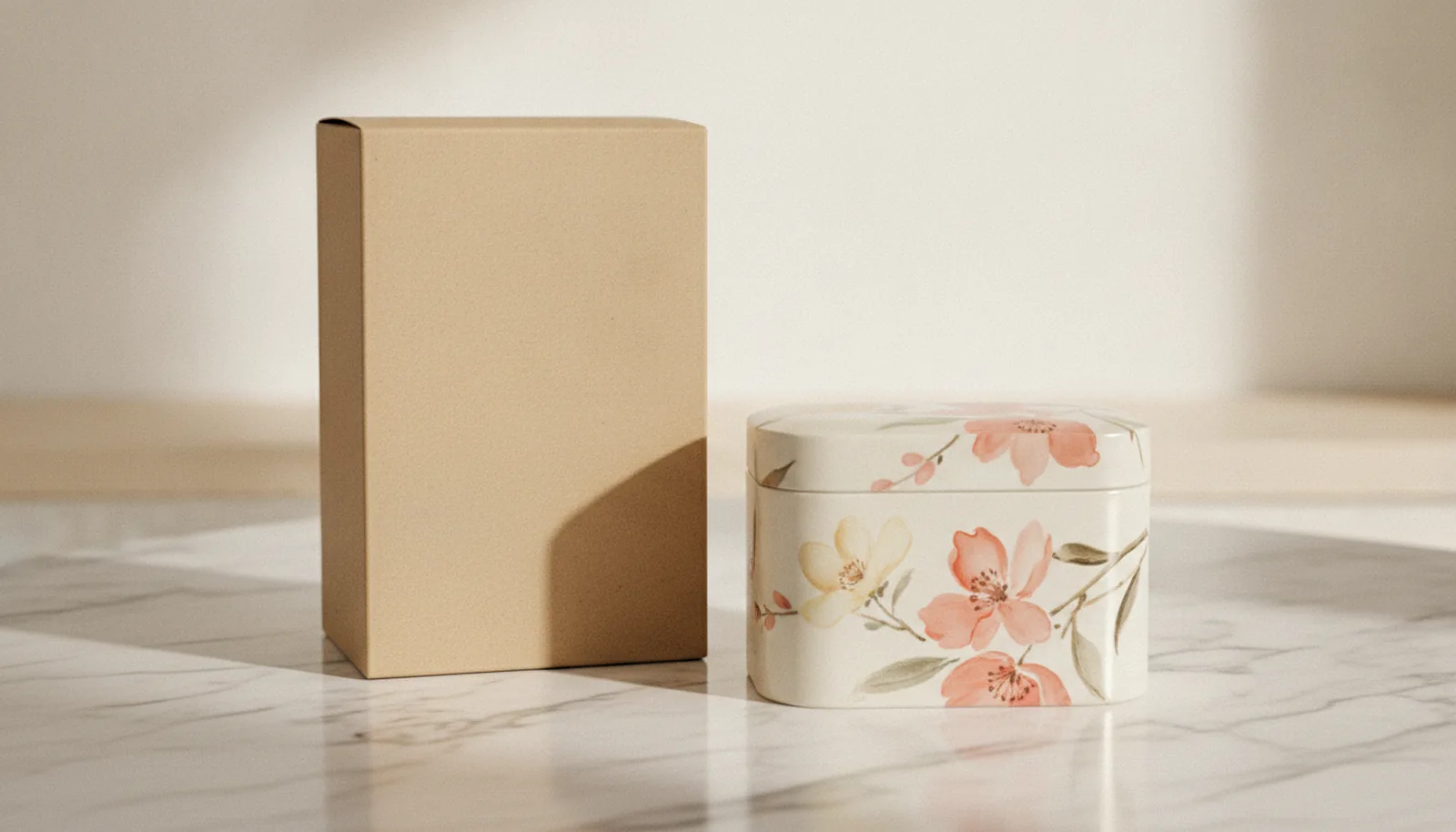
This is the mechanism Apple has leaned on for years — the reassuring heft of an iPhone box is a deliberate signal, not an accident of engineering. For a brand, the lesson is simpler than it sounds. A tin arrives in the hand with more mass than a folding carton of the same size, and that mass does quiet work on perceived value the moment it's lifted off the shelf. If you've ever watched a customer pick up a tin, turn it over, and pause — that pause is the cue landing.
Cool to the touch reads as "expensive"
Temperature is the second cue, and it's the one most brands never think about. Metal has a property cardboard doesn't: it conducts heat away from your skin, so a tin at room temperature feels cooler to the touch than a paper box sitting right beside it at the exact same temperature. Your hand interprets that coolness, and it turns out coolness carries meaning.
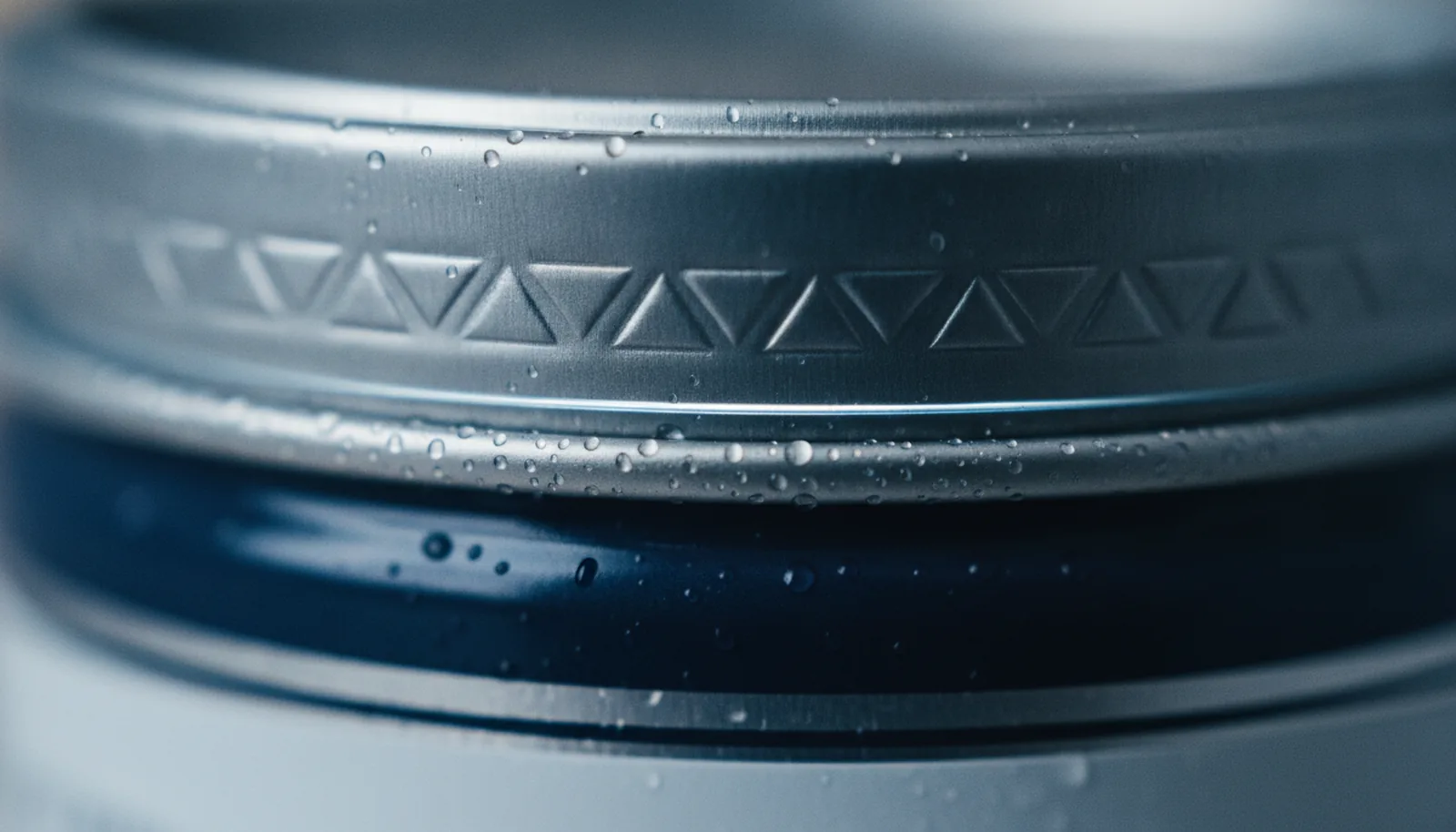
Researchers at Oxford and Musashi University tested this directly in a study with the memorable title "Shivering for Status." When they handed participants a decorative vase that had been chilled versus one at room temperature, the cold vase was rated as more luxurious and more desirable — the same object, the same design, a different temperature. The association shows up in language the same way weight does: diamonds are "icy," premium retail runs its stores a few degrees cold, and we call money "cold hard cash." The researchers found the effect was specifically tied to status and luxury perception, and it faded when people were focused purely on a product's practical performance rather than what it signalled.
That last part is the honest caveat. Temperature isn't a universal value lever — it's a luxury and status lever. Warmth has its own separate effects in other research, sometimes raising willingness to pay through a sense of closeness and comfort. So the takeaway isn't "cold always wins." It's narrower and more useful: for a product whose appeal is refinement, gifting, or a sense of occasion, a surface that feels cool and substantial in the hand is quietly working in your favour — and metal is the only common packaging material that delivers that coolness naturally, without refrigeration.
The sound of a lid is a quality signal
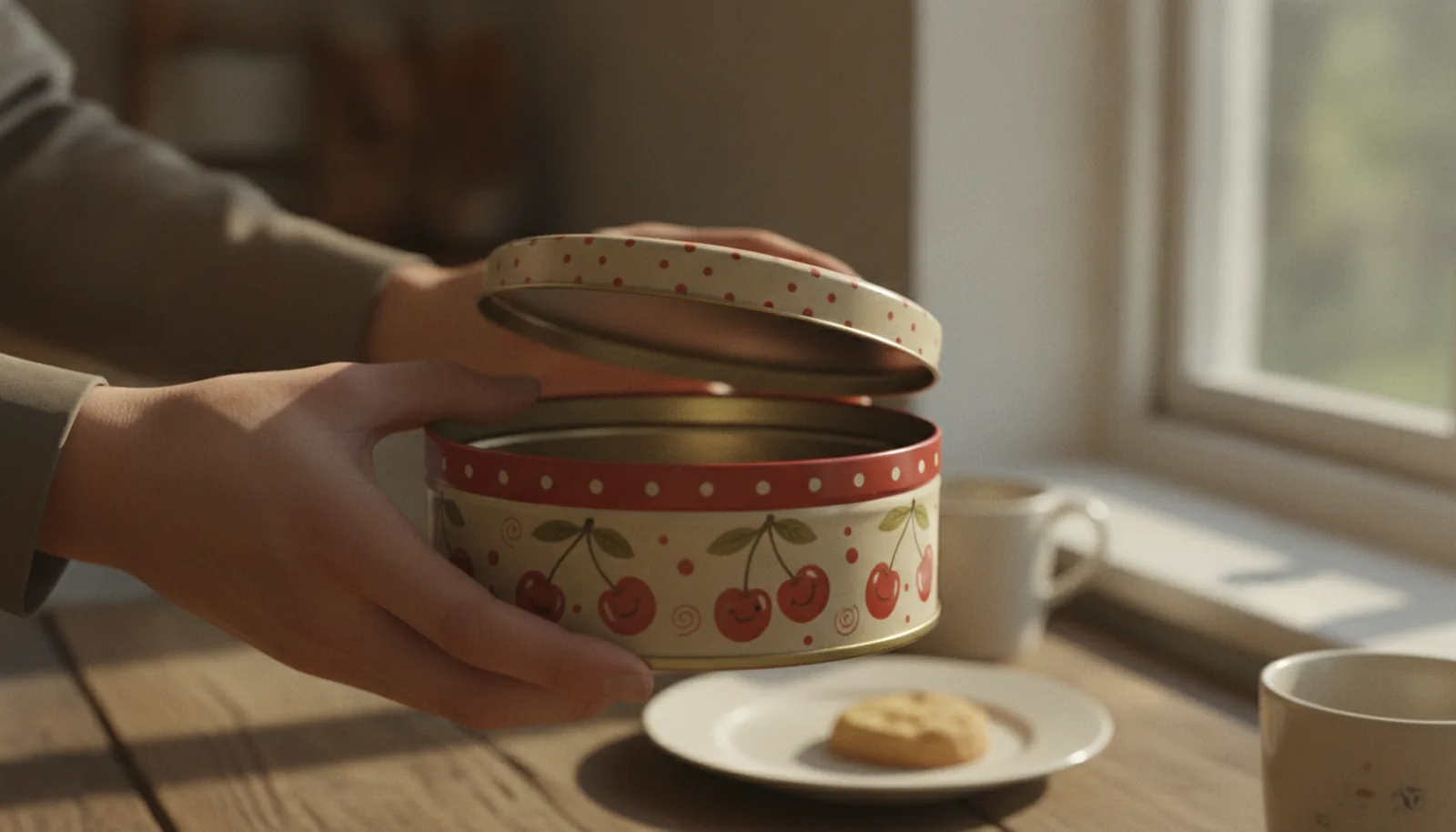
The third cue is the one customers remember without meaning to: the sound. A cardboard box opens silently or with a dull tear. A well-made tin opens with a specific, low, resonant note as the lid releases from the base — and closes with a soft, definite seat. That sound is doing more than you'd expect.
Sensory researchers have spent years on what they call sonic packaging, and the findings are consistent: the noises a product makes when you interact with it shape how good you think it is. In one study, the sound of a wine bottle's closure — a cork pop versus a screw-cap twist — changed how people rated the wine itself and even lifted their celebratory mood, though the wine in the glass was identical. Car makers have understood this for decades; the thunk of a closing door is engineered and tested, because a door that sounds solid makes the whole car feel better built. Researchers have found people rate lower-pitched, solid-sounding closures as higher in quality than thin, high-pitched ones.
The cautionary tale runs the other way. When SunChips launched a compostable bag that happened to be unusually loud, the noise annoyed customers enough that it hurt the product — proof that packaging sound is a real variable that can cut both ways. The point isn't that louder is better. It's that sound is a lever, and most materials don't give you one to pull. A tin does. That resonant lid isn't a side effect to tolerate — it's a repeatable brand moment, the same satisfying note every single time the customer reaches for the product, which for a reusable tin can be daily for months.
Why these cues matter more than they should
Here's the thread that connects weight, temperature, and sound. None of them tell the customer anything true about what's inside the package. A heavy tin doesn't contain better tea. A cool surface doesn't mean fresher chocolate. A resonant lid doesn't make the candle burn longer. Researchers call these cues non-diagnostic precisely because they're unreliable as evidence — and yet the brain uses them anyway, because it evolved to read the physical world through the hand long before it learned to read labels.
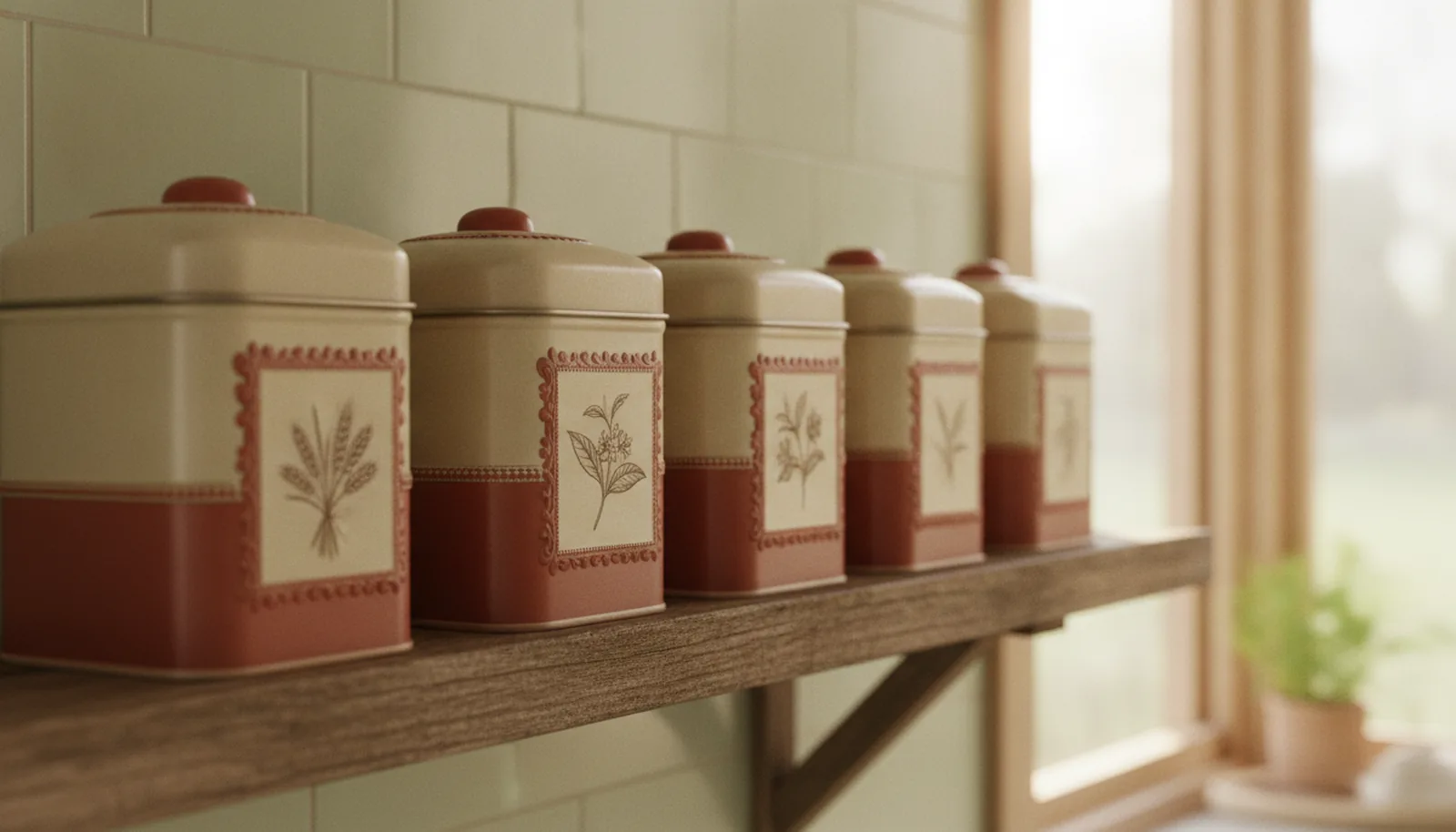
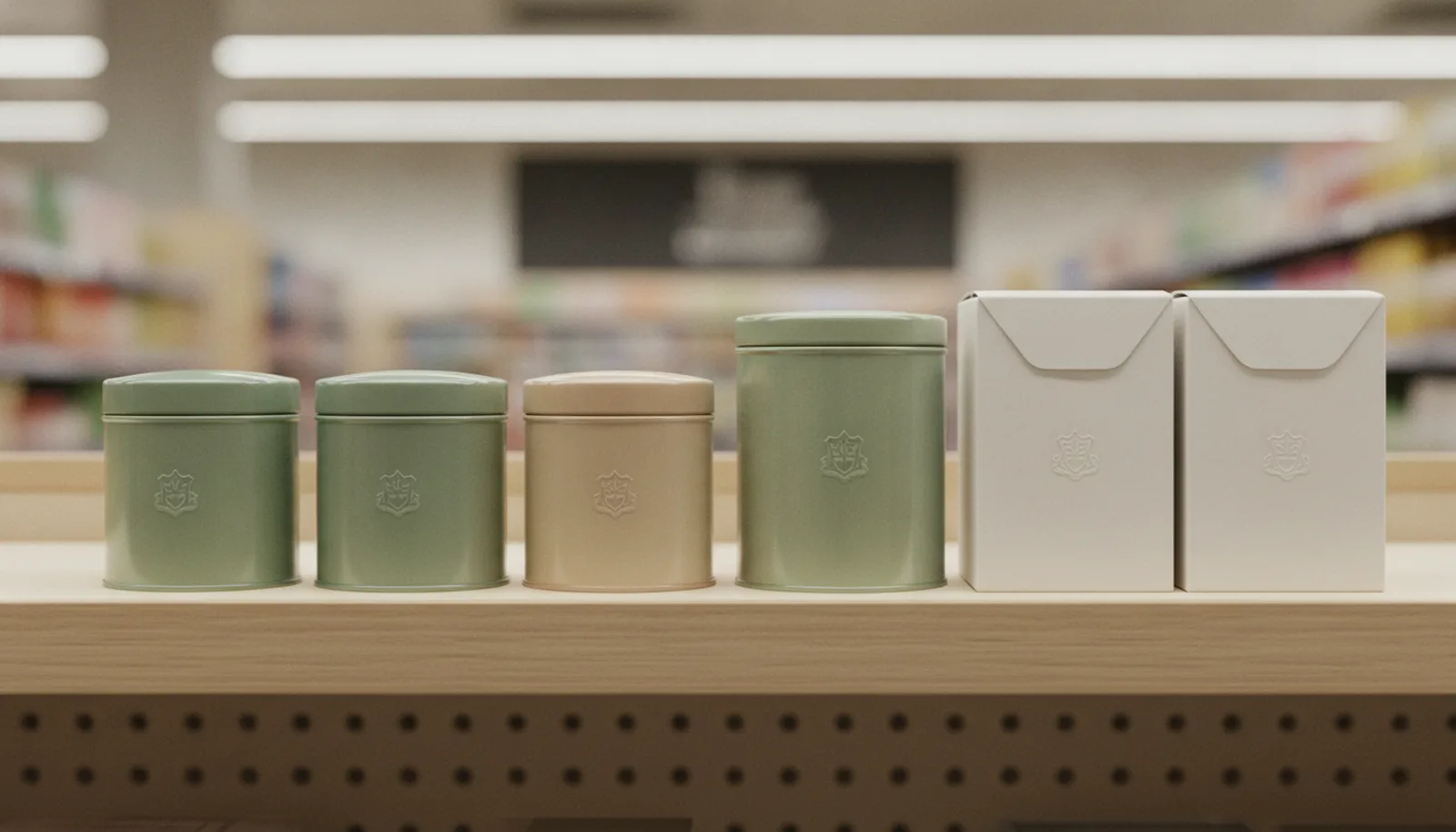
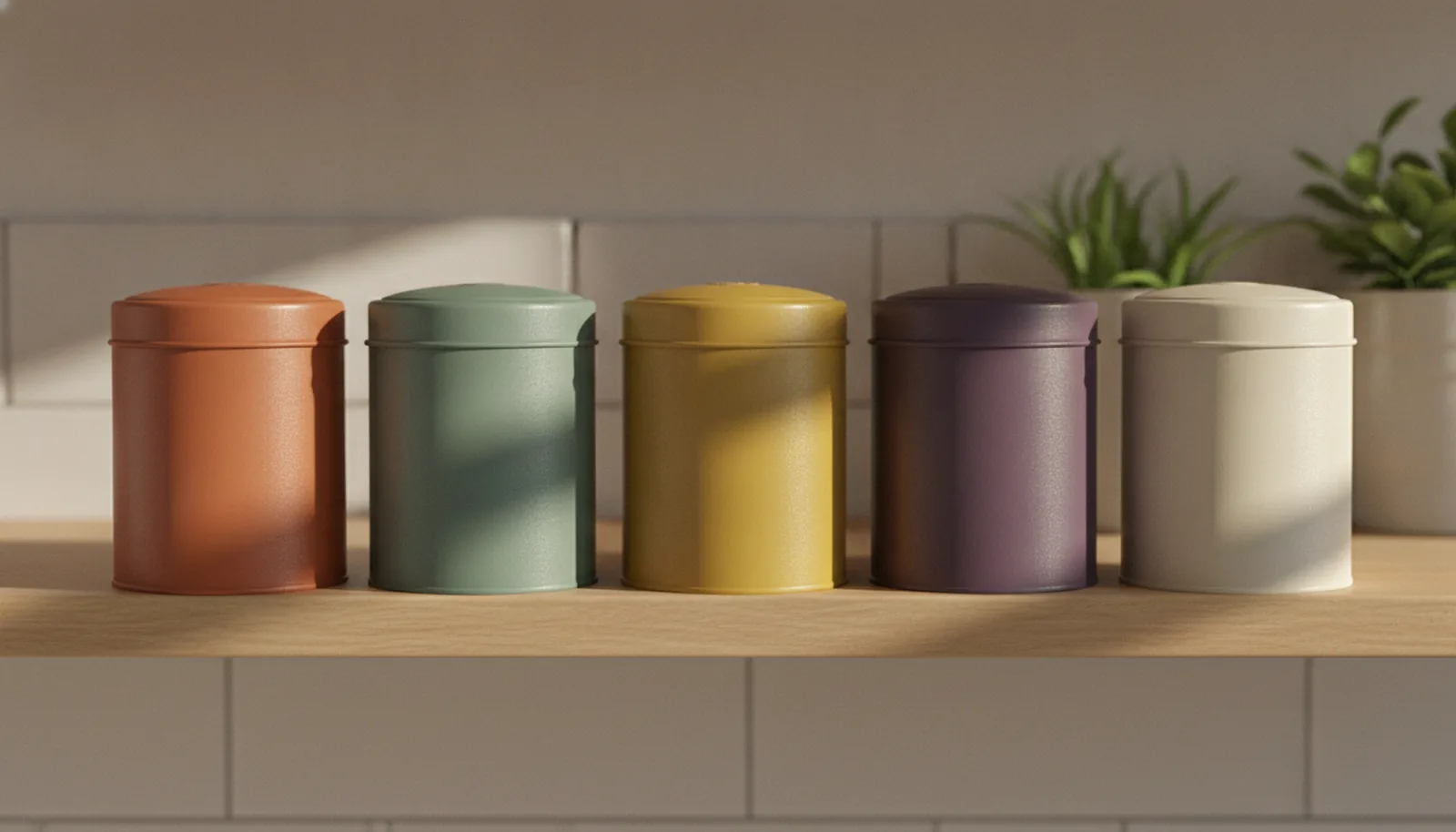
That's what makes the sensory argument different from the visual one. A customer looking at a beautifully printed box knows, on some level, that graphics are a marketing choice. But weight, coolness, and sound feel like facts about the object — they arrive as sensation, not as persuasion, and they slip past the skepticism that visual claims trigger. The perceived value they create is more durable because the customer never registers it as a pitch.
For a brand, that reframes the packaging decision. The question isn't only "does this look premium on the shelf" — it's "what does this product feel like in the hand, and what does it sound like when it opens." On a matte carton, the answer to both is: not much. On tin, the answer is a set of cues that consumer research has spent decades confirming actually move perceived value and willingness to pay. And there's a compounding effect that cheaper packaging can't touch: a tin doesn't get thrown away after the first open. It sits on a desk or a shelf and delivers those same cues — the heft, the cool surface, the sound — every time the customer picks it up, long after the purchase.
Where the effect has limits
Candour is part of getting this right, so a few honest boundaries. These effects are real but they're modest — weight won't rescue a product people don't want, and no amount of heft turns a bad chocolate into a good one. They're a thumb on the scale, not the whole scale. The cues also work best when they're congruent with everything else: a heavy tin with a cheap-feeling lid and a flimsy print job sends mixed signals, and customers notice mismatches even when they can't articulate them. And as the temperature research showed, some of these levers are category-specific — coolness helps a luxury or gifting product more than a purely functional one.
There's also a sustainability dimension worth being straight about, because it cuts in tin's favour. In wine, the heavier-is-better belief has driven bottles to get needlessly heavy purely for perception, which is a genuine environmental problem when the glass is used once and discarded. Tin sidesteps that trap in two ways: it delivers the perceived-value cues at a fraction of glass's weight, and it's infinitely recyclable without quality loss — with steel packaging recycled at 84% across the EU in 2024 (Steel for Packaging Europe). You get the psychology without the waste, and without a bottle that only ever gets opened once.
Putting the science to work
If you're choosing packaging for a product where perceived value matters — premium tea, chocolate, candles, gifting, anything where the customer's first physical impression sets the tone — the behavioural research points in a clear direction. The cues that move perceived value most reliably are the ones the customer feels rather than sees, and tin is one of the few materials that delivers all three at once: real weight in the hand, a surface that reads as cool and substantial, and a sound that repeats every time the product is opened.
At Stannum Can, we've spent years building tins that get these physical details right — the heft of the metal, the precision of an embossed surface that gives the hand something to register, the fit of a lid that seats with a clean, satisfying close. We've watched what happens when a brand switches from a carton to a considered tin, and the shift in how the product is held — turned over, examined, kept — is the part that's hard to unsee once you've noticed it. If you're weighing whether tin is worth it for your product, the honest answer is that a good part of the value is literally in the weight. Talk to us about your project and we'll help you figure out whether the sensory case adds up for what you're making.
Frequently asked questions
Does heavier packaging really make people willing to pay more?
In controlled studies, yes — within limits. Research on food and drink packaging found people reported a higher willingness to pay when the same product came in a heavier container, an effect that ran through perceived flavour intensity. A field study of wine bottles similarly found heavier bottles correlated with higher prices, and consumers genuinely believed the heavier bottle held better wine. The effect is real but modest: it's a thumb on the scale, not a substitute for a product people actually want.
Why does tin feel cooler than cardboard at the same temperature?
Metal conducts heat away from your skin far faster than paper or cardboard does. So even when a tin and a carton are sitting side by side at identical room temperature, the tin feels cooler because it's pulling warmth from your hand more quickly. Research has linked that cool-to-the-touch sensation to higher perceptions of luxury and status — one reason premium retail environments are often kept a few degrees cold.
Is the sound a tin makes when it opens actually important?
More than most brands realise. Studies on "sonic packaging" have shown that the sounds a product makes when you interact with it shape how good you judge it to be — the classic example being car makers engineering the thunk of a closing door. A tin's resonant lid is a repeatable version of that: the same satisfying note every time the product is opened, which for a reusable tin can be daily over months.
Isn't this just the same as saying tin looks premium?
No — it's a different and arguably stronger argument. Visual "premium" cues are things customers know to be skeptical of, because they understand graphics are a marketing choice. Weight, temperature, and sound arrive through the hand and ear as sensation rather than persuasion, so they tend to slip past that skepticism. Researchers call them non-diagnostic cues, and the brain uses them to judge value even though they reveal nothing reliable about what's inside.
Does making packaging heavier just to feel premium hurt sustainability?
It can — the wine industry is a cautionary example, where bottles have been made needlessly heavy purely for perception, wasting glass that's often used once. Tin avoids that trap: it delivers the perceived-value cues at a fraction of glass's weight, is infinitely recyclable without quality loss, and gets kept and reused rather than discarded after one open. You get the psychology without the environmental cost.
References
1. Weight as an Embodiment of Importance — Jostmann, Lakens & Schubert, *Psychological Science* (2009)
7. Cooler Temperatures Can Heighten Perception of Luxury — Skift (summary of Park & Hadi)
9. Product sound quality — from perception to design
11. Steel packaging recycling rates in Europe — Steel for Packaging Europe