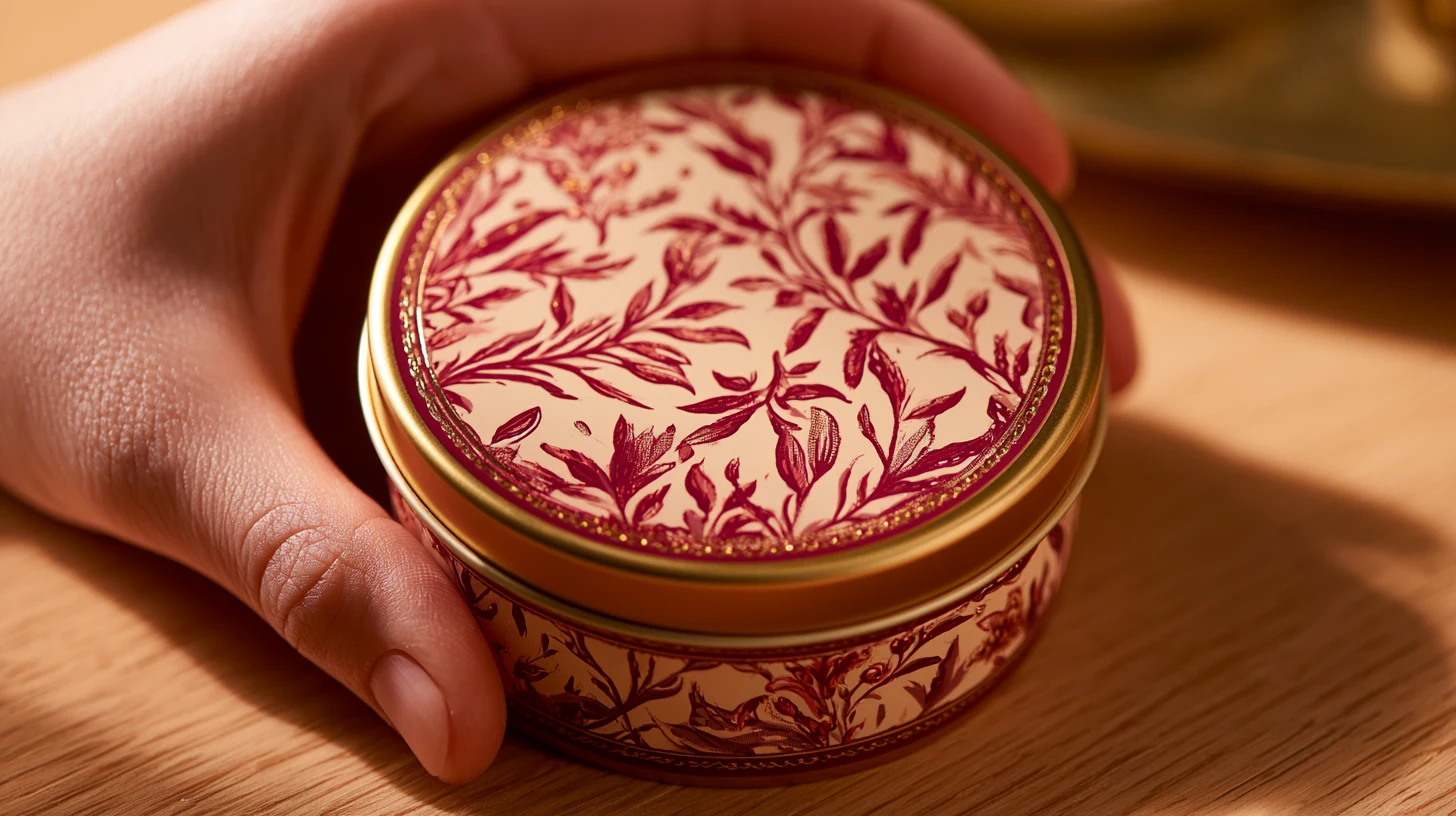
Walk down any grocery aisle in 2026 and you'll notice something: shoppers are weighing things. Not on scales — in their hands. They pick up a cereal box, turn it over, frown at the net weight, set it back. They squeeze a chip bag and look at the half-empty space inside. They're checking, because they've been burned, and because shrinkflation has trained them not to trust what packaging looks like — only what it weighs.
That suspicion is now a measurable force in consumer behavior. And for brands using premium tin packaging, it's also an opportunity: the same instinct that makes shoppers skeptical of a flimsy box makes them lean toward something that feels solid, considered, and honest in the hand.
This article looks at how shrinkflation has reshaped consumer expectations heading into 2026, what the research says about why packaging weight and tactile quality matter so much to perceived value, and why custom decorative tin packaging — particularly when paired with transparent window lids — is one of the most effective signals a brand can send that it isn't cutting corners.
The trust problem, by the numbers
Shrinkflation isn't new. Economists have tracked it for decades, and brands have quietly used it as a margin-management tool through every period of cost pressure. What's new is how visible it has become to ordinary shoppers, and how much damage it's now doing to brand relationships when it isn't disclosed.
A few data points from the past eighteen months tell the story:
- The Capgemini Research Institute's January 2026 global consumer trends report, based on a survey of 12,000 consumers across 12 countries, found that 71% of consumers say they would switch brands if pack size or quality were reduced without clear notice. A majority described shrinkflation as unfair, and most said they would prefer a small, explicit price increase over a quiet downsizing.
- Attest's 2026 US Consumer Trends report found that 79% of shoppers respond negatively to shrinkflation, placing it alongside surprise fees and unconsented auto-renewals as one of the trust-breaking practices consumers are least willing to forgive.
- A LendingTree analysis covering 100 common US grocery products found that 33% had shrunk in size between 2019 and 2024, and nearly half of American shoppers report having abandoned a brand specifically because of it.
- In the UK, a 2025 YouGov survey reported that 80% of adults are "very" or "fairly" concerned about shrinkflation — up from 75% in 2023.
- France, in July 2024, became the first country to legally require supermarkets to post shrinkflation notices on affected products — a regulatory step that's quietly reframing the conversation across Europe and pushing other governments to consider similar moves.
The pattern across these surveys points to one thing: trust has become a primary driver of purchase decisions and brand switching, on par with price. And packaging is where that trust is increasingly tested first.
Why shrinkflation breaks trust harder than a price increase does
Here's the part that should interest brand teams: consumers don't just dislike shrinkflation. They actively prefer the more painful alternative — a visible price hike — over being quietly given less for the same money.
That preference shows up across the major 2025–2026 surveys. Capgemini's research found that most respondents would rather see a small, explicit price increase than a discreet pack-size reduction. The reason isn't hard to read: a price change is communication, even when it's bad news. A quiet pack-size reduction feels like a brand hoping no one notices. One is a transaction; the other is a small deception.
That distinction is what turns a margin-management decision into a trust event. A consumer who pays more grumbles. A consumer who feels tricked switches.
What packaging communicates before a customer reads a word
The reason packaging sits at the centre of this conversation is that, well before anyone reads the net-weight panel, the package itself has already made a series of claims about what's inside. Behavioral research over the past two decades has consistently found that the physical experience of a package — its weight, its rigidity, the texture of its surface, the way it resists being squeezed — shapes perceived value just as powerfully as its visual design. (We've explored this dynamic in more depth in When Packaging Is the Product: How Tins Create Perceived Value.)
Three findings, in particular, are worth holding onto:
The weight heuristic. Across multiple studies, heavier objects are associated with greater importance, higher quality, and higher expected price. The effect is robust enough that researchers have documented it shifting consumers' actual willingness to pay. Heft, in other words, isn't just a sensory side note — it's an input into the value calculation.
Rigidity reads as substance. A 2018 study by Wang and colleagues looking at packaging characteristics and net-weight perception found that rigid packages are perceived to contain the same amount or more than non-rigid ones, even when the actual contents are identical. A package that holds its shape under pressure tells the hand a story about the product inside.
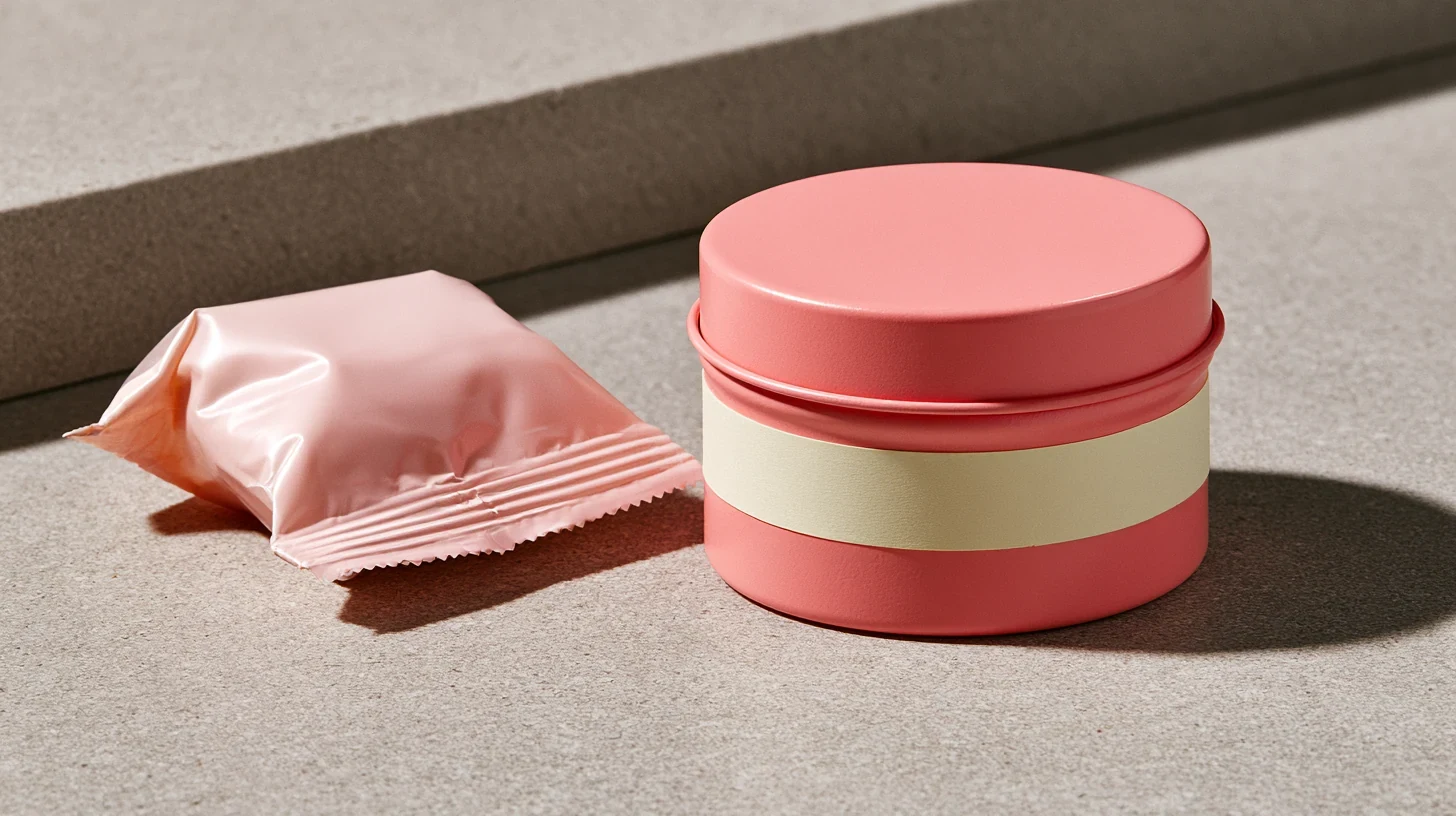
Surface finish carries quality cues. Matte and soft-touch finishes, embossed details, and metallic surfaces all contribute to what consumer researchers call multisensory product perception. The more deliberate a package feels, the more deliberate the product inside is assumed to be — and the more forgiving the customer becomes about price.
In a market shaped by shrinkflation anxiety, those signals stop being decorative. They become evidence.
Why premium tin packaging lands on the right side of every signal
Tin packaging is, almost by definition, the opposite of what shrinkflation packaging tends to be. Where downsized packaging is often the same external box with less product, tighter air space, or a cleverly remolded plastic tube, a custom decorative tin sends the opposite message at every sensory checkpoint.
It has weight. A tinplate container in a typical confectionery, tea, or candle format weighs noticeably more than its paperboard or plastic equivalent — and that weight is doing real work for the brand on the shelf and in the hand.
It is rigid. A tin doesn't deform under squeeze, doesn't dent at a fingerprint, doesn't crumple at the edges in transit. The structural honesty of metal is something consumers register without being able to name it.
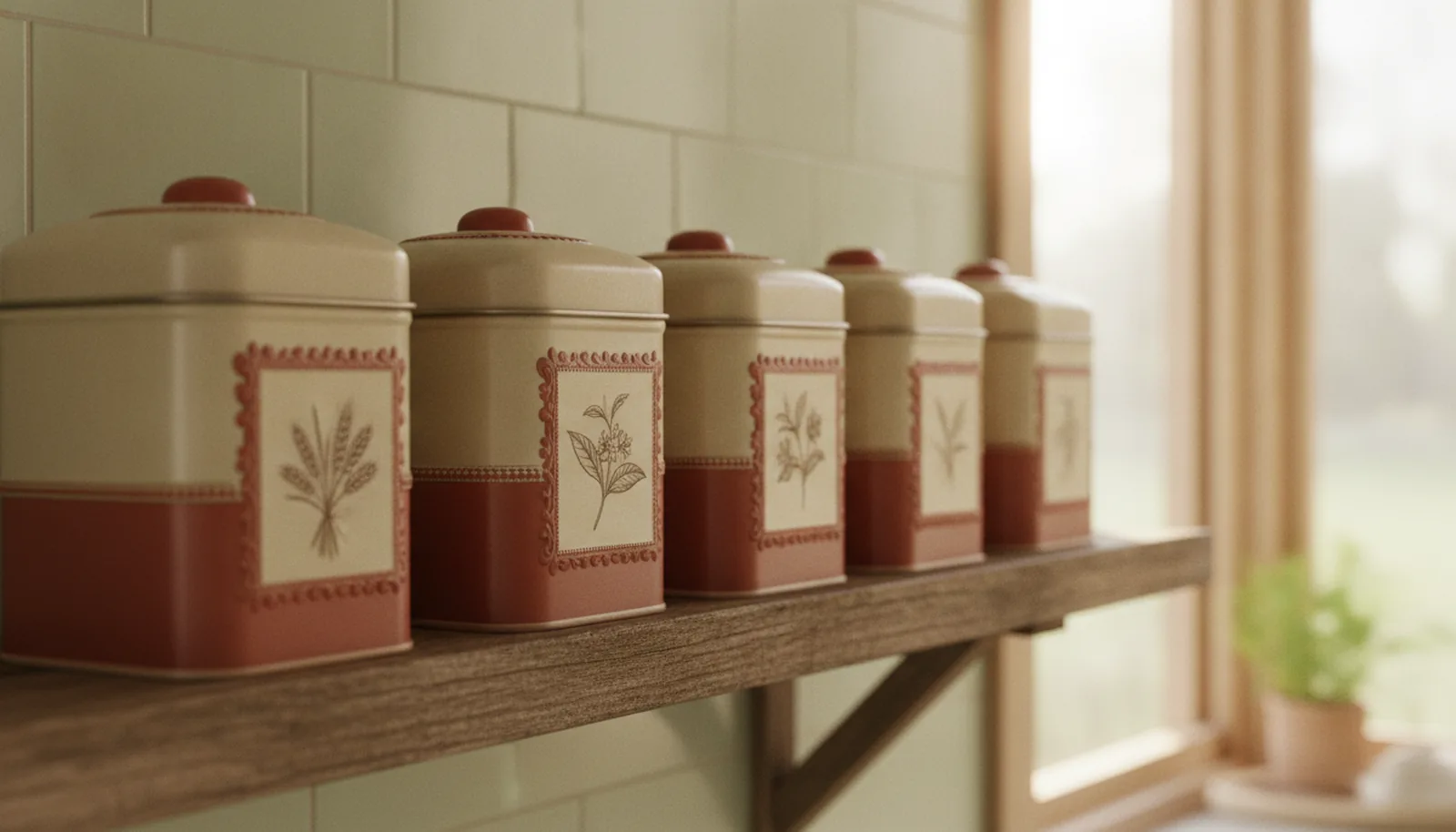
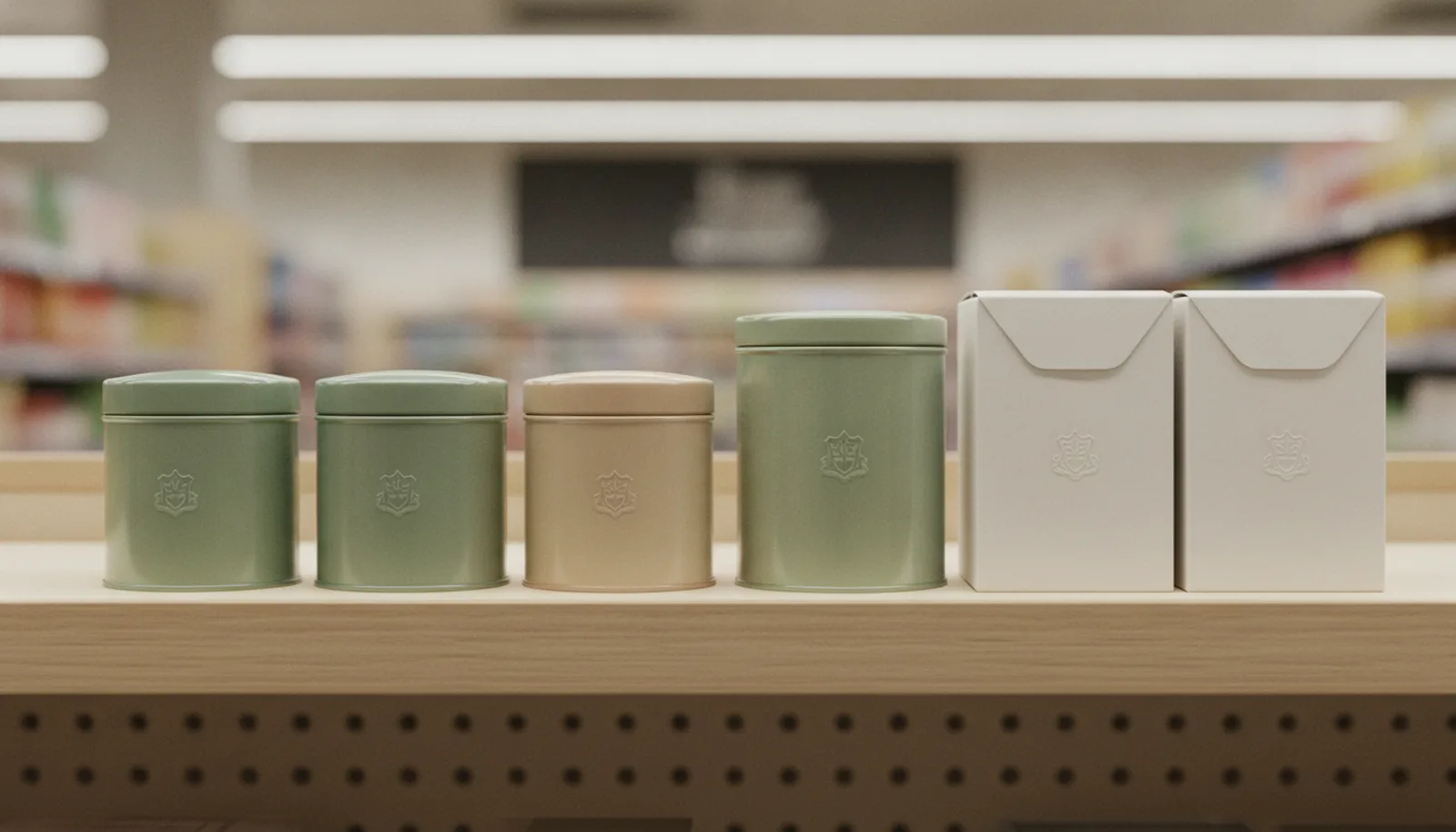
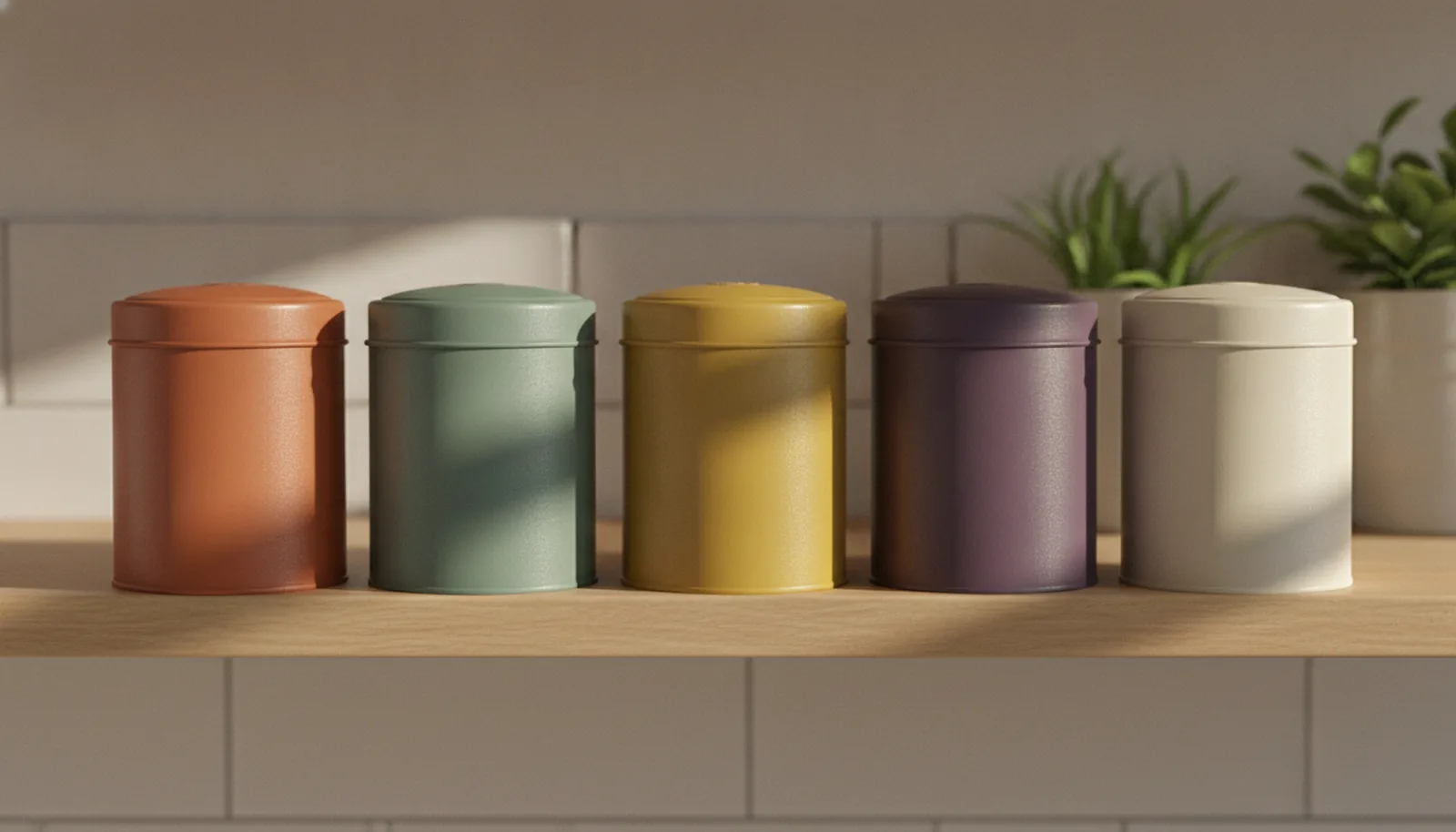
It carries a finish that signals craftsmanship. Offset lithography on tin, printed in full CMYK with Pantone matching, produces print quality that paperboard can match only at considerable cost — and even then, paperboard can't deliver embossing and debossing on the same surface to the same depth. The 1mm-precision embossing common on premium decorative tins is a tactile marker that a brand has invested in the package, not just the product. (For a deeper look at how finish choice shapes brand perception, see How to Choose the Right Tin Finish for Your Brand.)
It lasts. Tin is infinitely recyclable without quality loss, and across the EU steel packaging is recycled at 84% (Steel for Packaging Europe, 2024 data), rising to over 90% in Germany specifically per long-running tracking by Gesellschaft für Verpackungsmarktforschung (gvm) — part of why we've made recyclability and circular-economy thinking central to how we build. But just as importantly for the trust question, a tin survives the journey from shelf to home to use. It doesn't crinkle in a bag. It doesn't tear at the seam. It earns a second life on a shelf or in a drawer — which is itself a constant reminder of the brand that put it there.
None of this requires saying anything. The package makes the claim, and the claim is verifiable by hand.
Window lids: putting "you're getting what you paid for" on display
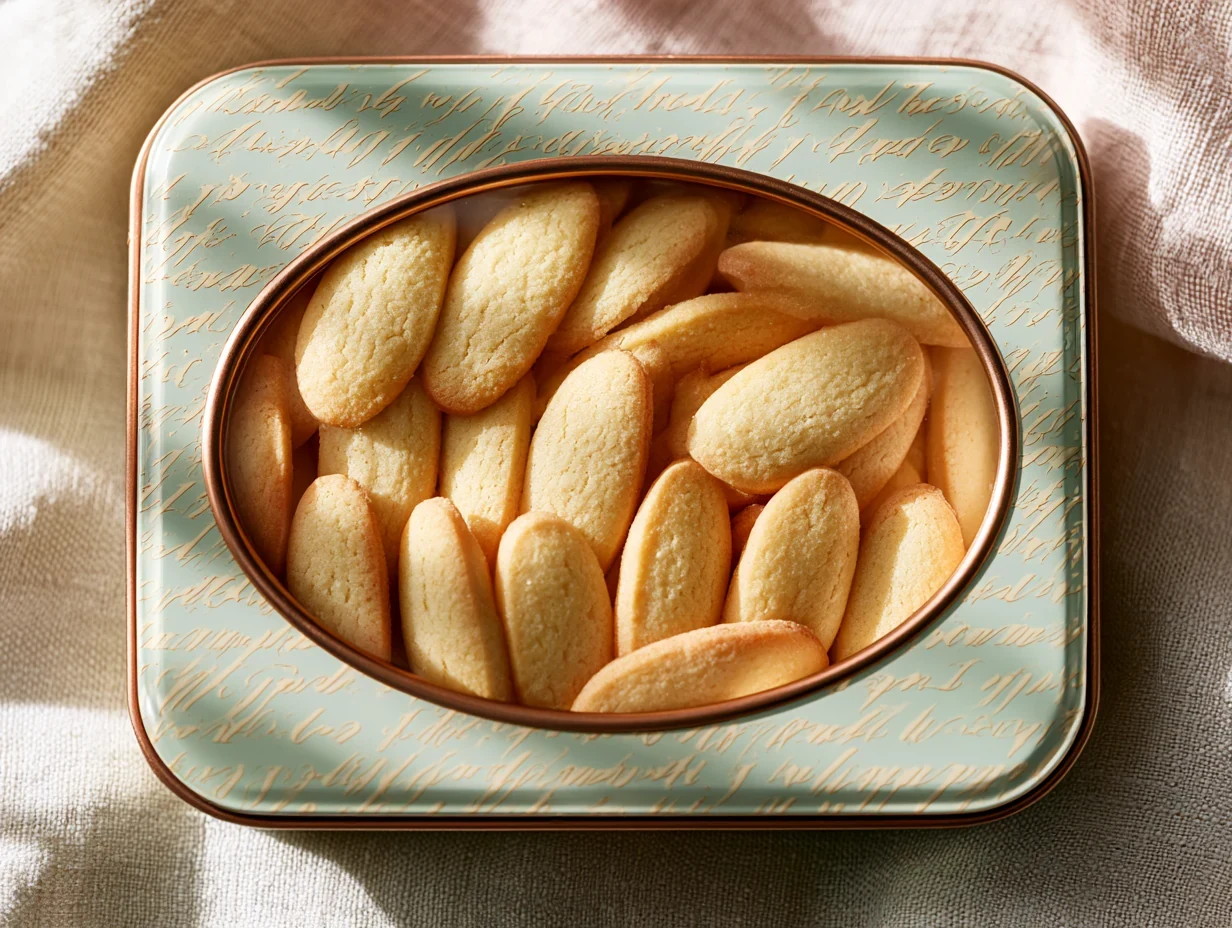
If shrinkflation's central anxiety is the gap between what packaging promises and what's actually inside, transparent window lids resolve that anxiety in the most direct way available: by removing the gap entirely.
A window lid — a clear panel set into the tin's lid, integrated as part of the printing and finishing process — lets the customer see the contents at the moment of purchase. For products like cookies, chocolates, popcorn, candy, soaps, or specialty teas, that visibility carries practical and psychological weight at once. The customer counts the pieces. They register the colour. They see the fill level. The package no longer has to be trusted on faith, because the product is right there in plain sight.
In a market climate where 71% of consumers will switch brands over an undisclosed downsize, that kind of transparency isn't a flourish. It's a category of risk reduction.
We covered the design and manufacturing detail in How See-Through Window Lids Add Transparency to Your Brand. The short version: the same engineering that allows for clean lithographic print on the lid surface also accommodates a sealed window panel, and the two together let a brand communicate both polish and honesty in a single piece.
What this looks like in practice on the production floor
Brands that come to us specifically with the shrinkflation conversation in mind tend to make the same three kinds of decisions, and they're worth naming because they're easy to overlook.
They size the tin to the product, not the other way around. A tin engineered to fit its contents — with appropriate inserts, dividers, or cradle structures where needed — communicates that the brand has thought carefully about the relationship between package and product. An oversized tin with a half-empty interior repeats the chip-bag problem in metal, and savvy customers notice instantly. Custom mold development, or careful selection from the existing mold library, is what makes a tight, considered fit possible. (For more on the design process, see our design and innovation services.)
They invest in finish where the hand will land. The lid is where most customers first interact with a tin — opening it, lifting it, setting it on a counter. Embossed brand marks, soft-touch matte finishes, or lithographed details on the lid surface are usually the highest-impact place to spend finish budget, because that's where the tactile story is told most directly.
They use the inside of the tin as part of the message. Printed interiors, fitted inserts, branded paper liners — all of these turn the moment of opening into a continuation of the package experience rather than a letdown. In a shrinkflation-anxious market, the absence of a "what, that's it?" moment is itself a trust signal.
None of these are radical moves. They're the same considered decisions that have always separated a basic tin from a custom decorative tin that feels like the brand cared about the customer who would eventually open it. The shrinkflation context just changes the stakes — what used to read as luxury increasingly reads as honesty.
What this means for brand teams in 2026
The shrinkflation story is, at heart, a story about brands that took the wrong shortcut and consumers who noticed. The lesson isn't that pack sizes can never change — costs are real, and consumers consistently say they prefer transparent price changes to hidden downsizes. The lesson is that packaging itself is now part of how trust is signalled or lost, and that the package on the shelf is being read as a statement of intent before any marketing copy is read at all.
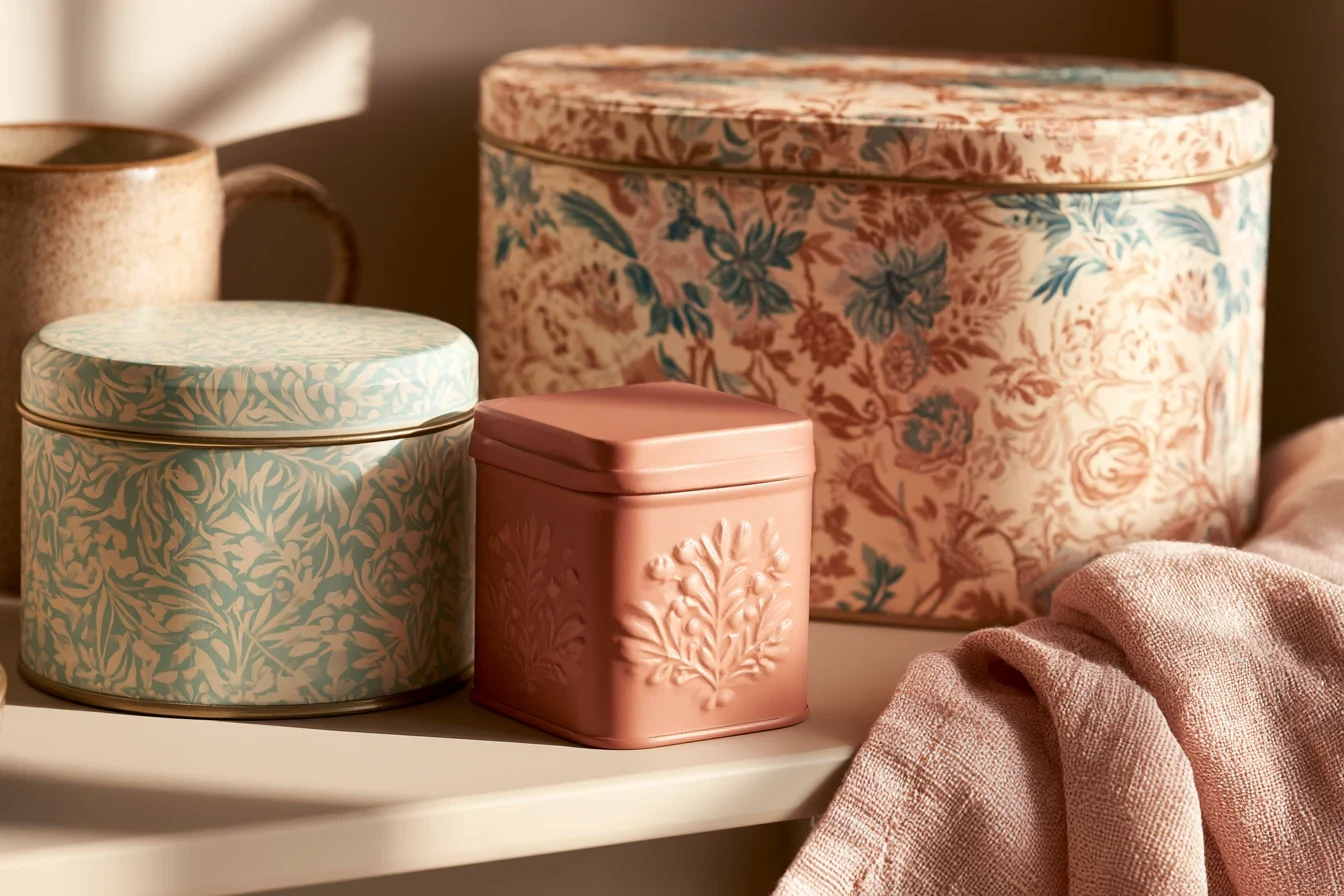
For a brand selling tea, coffee, confectionery, candles, gifts, cosmetics, or specialty foods, the choice of tin is a way to step out of that conversation entirely. The package's weight, rigidity, finish, and — when applicable — its window lid all do the work of saying we are not the brand cutting corners on you. They say it before a customer reads a label, and they keep saying it every time the tin is picked up after the purchase, opened again, or kept on a counter for a second use.
In a year when 79% of shoppers respond negatively to shrinkflation and trust has become a measurable purchase driver, that's not a small thing for a package to do.
If you're rethinking packaging in light of how consumer expectations have shifted, we work with brands across food, beverage, beauty, and gifting to design custom decorative tins that hold their weight in every sense. You can see recent client work in our gallery, explore our approach to design and innovation or lithograph printing, or get in touch to talk about a specific project.