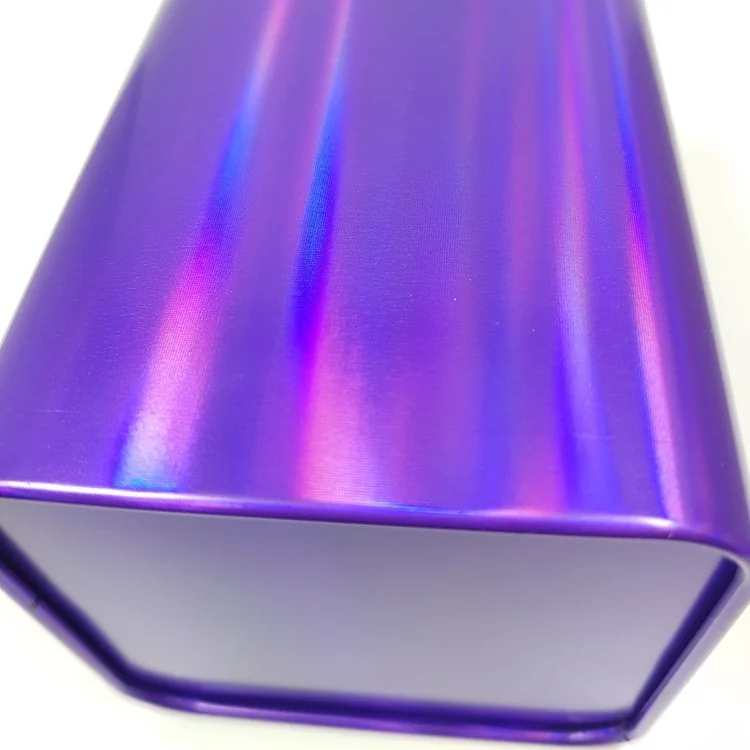
Embossing vs Debossing on Tin
Tin packaging isn't just functional—it's a tactile experience. When brands want to add texture, elevate shelf presence, or create an unforgettable unboxing moment, embossing and debossing are two powerful techniques that stand out in metal packaging design.
What Is Embossing?
Embossing raises part of the design above the surface of the metal tin box, creating a dimensional texture you can both see and feel.
Best for:
- Logos and signature brand elements
- Premium packaging design that feels "expensive"
- High-end applications like candle packaging, chocolate tins, and gift sets
On Tin: Tinplate responds beautifully to embossing. You'll get crisp edges, defined curves, and highlights that shift with the light—perfect for brands aiming to make a bold visual statement.
What Is Debossing?
Debossing is the opposite of embossing. Instead of raising the surface, it presses the design into the tin, leaving a sunken texture that feels subtle and refined.
Best for:
- Minimalist packaging
- Light texture or detail elements
- Cookie packaging, tea tins, and product lines where quiet elegance speaks louder
On Tin: Debossing provides a modern, understated finish. It's especially effective when working with natural metallic surfaces.
Embossing vs. Debossing: A Side-by-Side Breakdown
- Surface Texture: Embossing = Raised above surface / Debossing = Indented into surface
- Visual Impact: Embossing = Bold, eye-catching / Debossing = Subtle, modern
- Touch & Feel: Embossing = Strongly tactile / Debossing = Sleek, smooth
- Best for Branding: Embossing = Logos, badges, hero elements / Debossing = Text, background patterns
- Ideal Use Cases: Embossing = Candle tins, gift boxes / Debossing = Tea packaging, cosmetics
Design Tip: Use Both for Maximum Impact
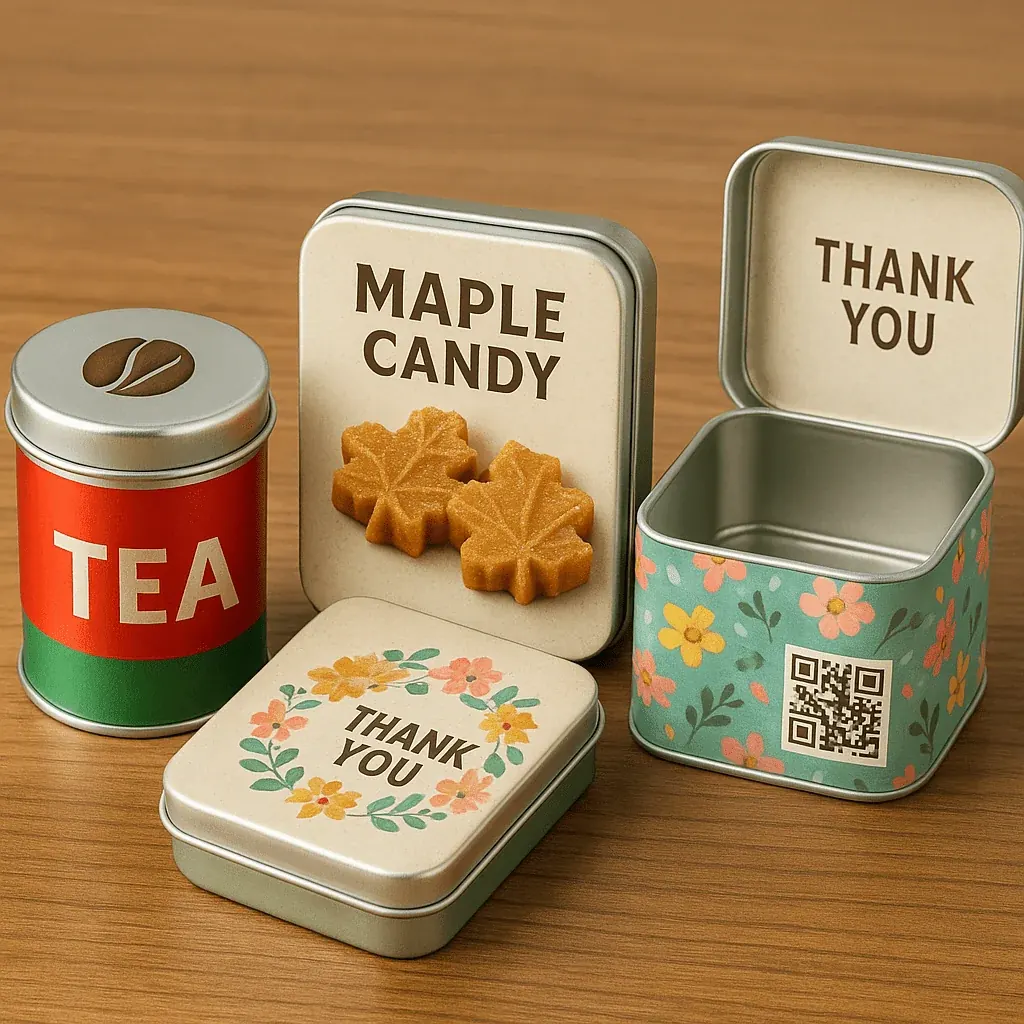
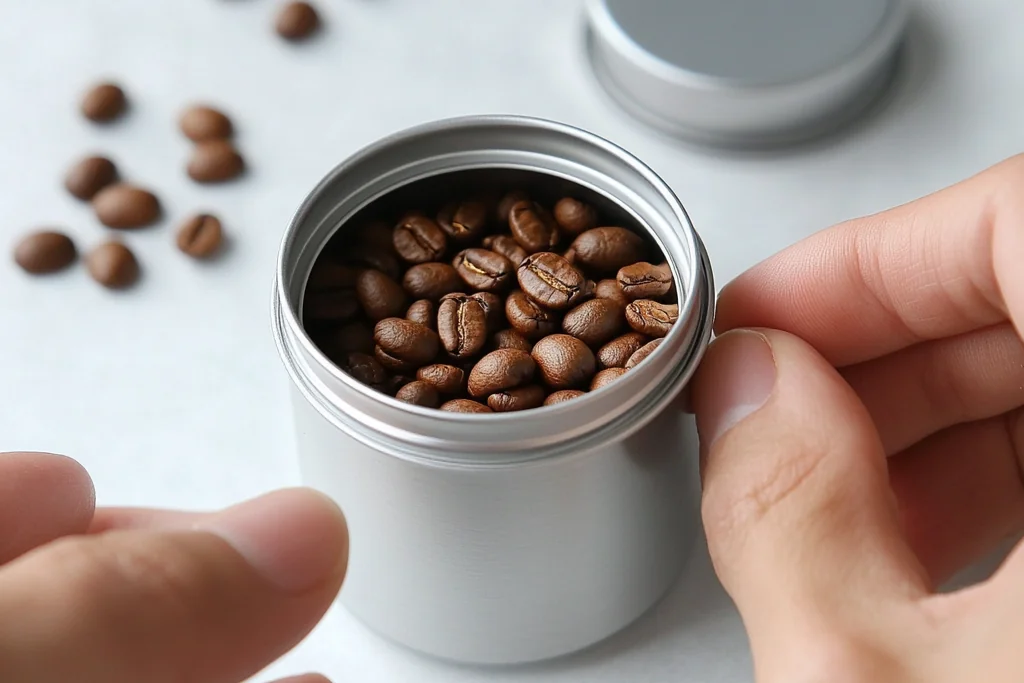
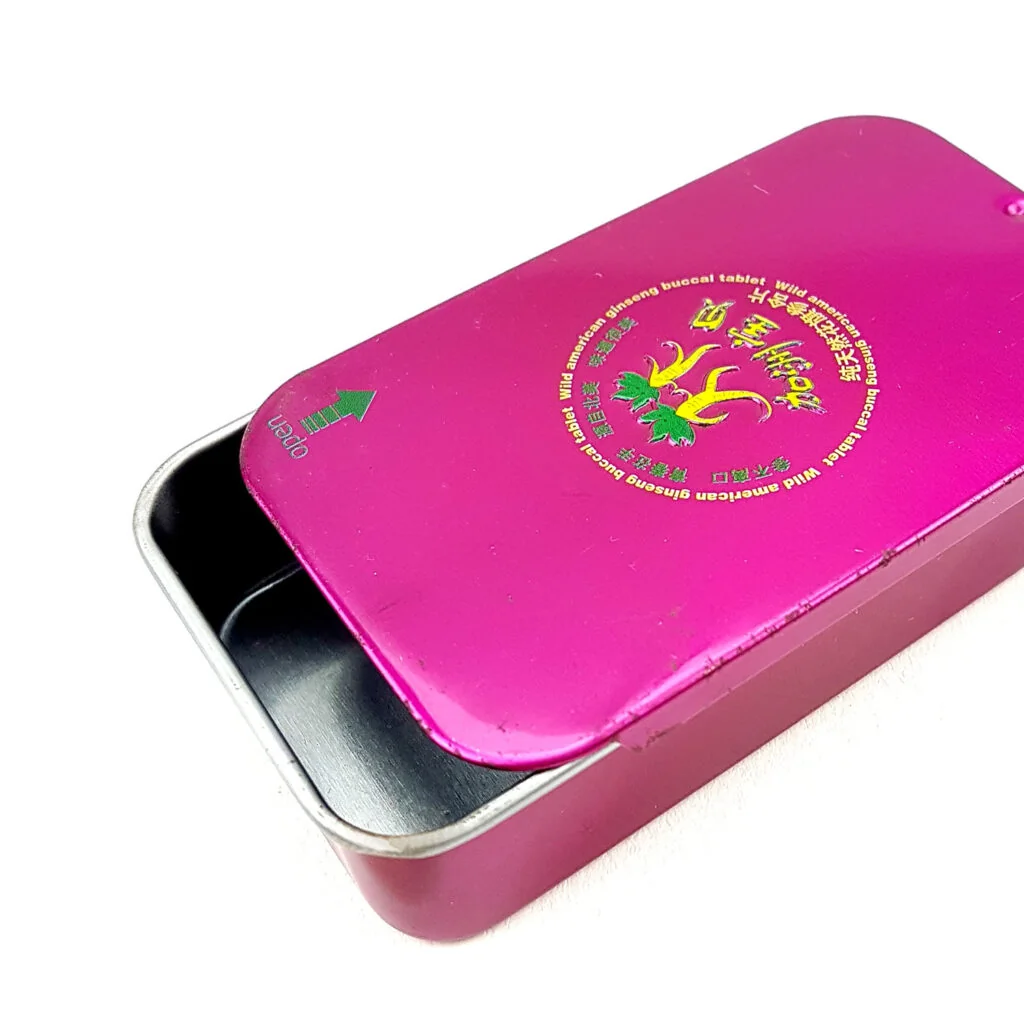
Yes—you can (and should) combine embossing and debossing strategically!
Here's how:
- Emboss your brand logo while debossing a subtle pattern in the background
- Emboss the product name on the lid and deboss the ingredients or texture around the base
- Use both techniques to create layered dimension in custom printed metal boxes
Are These Finishes Sustainable?
Absolutely. Both embossing and debossing use mechanical pressure—no inks, no plastic, no extra materials—making them an ideal choice for sustainable packaging. When applied to tinplate, a 100% recyclable material, these finishes align perfectly with eco-conscious goals.
Final Verdict: Which One Should You Choose?
- Choose Embossing if: You want high visibility and bold texture. Your design centers around logos or graphic elements.
- Choose Debossing if: You're going for elegance, minimalism, or a premium quiet aesthetic. You want subtle texture that complements, not dominates.
- Use Both if: You want your custom tin packaging to feel handcrafted, layered, and rich in detail.
Conclusion: Embossing and debossing are more than just print finishes—they're tactile tools that tell your brand story through metal packaging design.