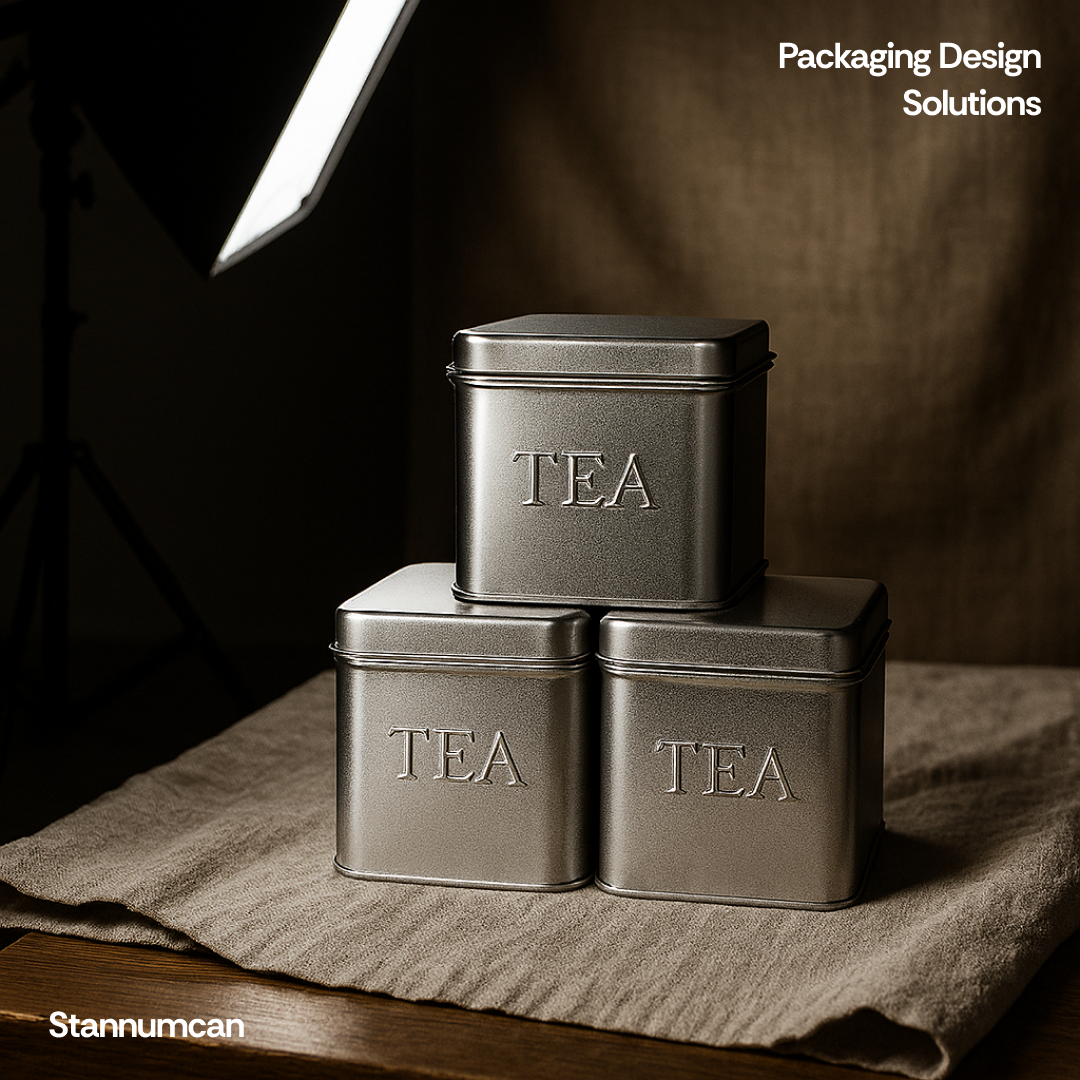
📸 In a world ruled by images, your packaging isn’t just seen—it’s shared.
From TikTok unboxings to Instagram flat-lays, your product’s packaging is constantly being judged through a lens. And when you use tin packaging or metal packaging, you unlock a visual edge: clean lines, reflective surfaces, and photogenic finishes that demand attention.
Let’s break down how to design packaging that doesn’t just look good in person—but performs brilliantly on camera.
📷 Why Photogenic Packaging Matters
- User-Generated Content = Free Marketing
- Better DTC Conversions (especially for lifestyle products)
- Shelf-to-Social Strategy (Retail packaging needs to stand out in both physical and digital spaces)
Your product’s first impression often happens online—not on the shelf.
✨ Tin: The Most Photogenic Packaging Material
Not all packaging materials are created equal when it comes to camera-readiness.
Why Tin Packaging Works So Well:
- Reflective and Sculptural: Catches light in a dynamic way—great for product shots.
- Sturdy & Shape-Retaining: Keeps structure for flat-lays, reels, and display setups.
- Luxurious Feel: Adds instant value in perceived quality.
Whether it’s a cookie tin, a custom printed tin, or a metal candy box, tin’s glossy, matte, or embossed surfaces allow for visual storytelling that pops.
🎨 Finishes That Pop On Camera
When designing for tin or custom metal tins, your finish choice can make or break the photo.
| Finish | Camera Impact | Best For |
| Glossy | Reflects light dramatically | Premium sweets, gift packaging |
| Matte | Soft, even surface | Minimalist cosmetics, wellness |
| Embossed/Debossed | Adds depth and tactile interest | Luxury teas, chocolate packaging |
| Spot UV or Foil | Creates light-catching accents | Candle containers, high-end DTC |
💡 Tip: Always test your tin prototypes under both studio and natural lighting before finalizing.
📱 Packaging Design = Social Design
Every great piece of packaging design today is also a piece of content strategy.
Here’s how to bake that into your design process:
📌 1. Design With Lighting in Mind
- Metallics amplify contrast—use that to create drama.
- Avoid overly busy backgrounds that reflect chaotically.
📌 2. Logo Placement & Typography
- Keep brand marks clean, bold, and central.
- Serif fonts on matte tins = elegance. Sans-serif on glossy = bold and modern.
📌 3. Think in Square Format
- Instagram crops square first—center your key design elements accordingly.
🌟 The Ripple Effect: Better Photos = Better Business
Great packaging photography leads to:
- More UGC (User-Generated Content)
- Increased SEO visibility (via image search)
- Higher conversion rates on DTC platforms
- More brand shares and saves on Pinterest & Instagram
Imagine your tea packaging not just being used—but styled, photographed, and reshared by your customers.