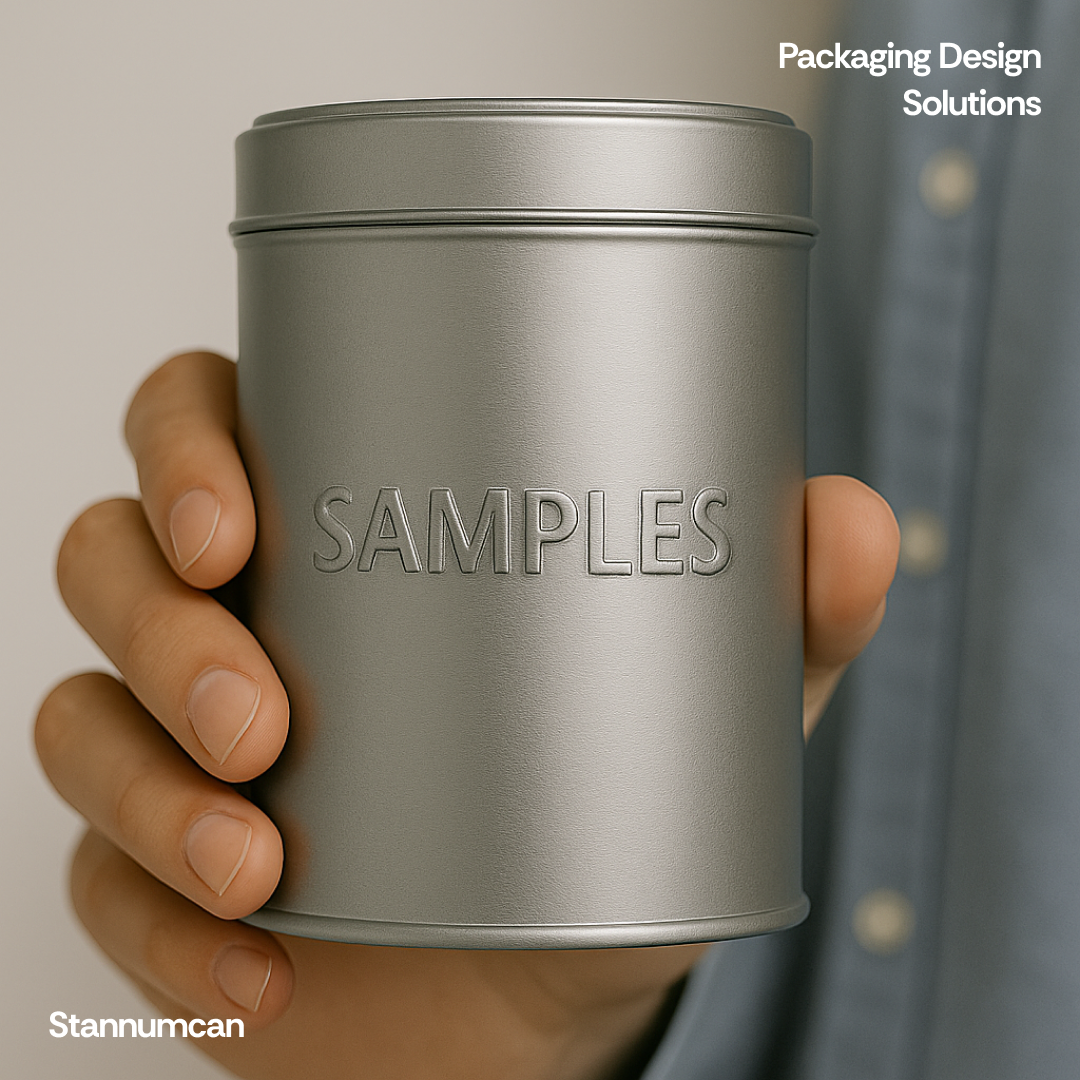
When it comes to metal packaging, perfection isn’t just a goal—it’s a requirement. Whether you’re launching a luxury cookie packaging, a bold new tea tin, or a sleek cosmetic container, investing in a high-quality prototype can save you from costly mistakes and missed opportunities.
Let’s explore why prototyping is a non-negotiable step in custom tin packaging design and how it supports both functionality and brand excellence.
🎯 What Is a Packaging Sample?
A sample is a pre-production prototype used to test the form, fit, and function of your tin packaging before mass production begins. Think of it as your brand’s dress rehearsal—giving you one last chance to evaluate, tweak, and perfect.
🔍 Why Prototyping Matters in Tin Packaging
✅ 1. Functionality Testing
Prototypes help ensure your packaging works the way it should.
Does the lid seal properly?
Is the structure durable under shipping conditions?
Will the hinge mechanism last through repeated use?
All these questions are best answered through hands-on testing—long before your product hits the shelves.
✅ 2. Realistic Look & Feel
Digital renderings and dielines only go so far. Holding a metal tin box prototype in your hands brings the experience to life.
- You’ll see how light interacts with your coatings and finishes
- You can feel the embossing or debossing depth
- You can judge whether your custom printed tin truly conveys your brand message
🖼️ Aesthetics: Checking Before Printing
🎨 3. Catch Design Flaws Early
Prototypes give you a realistic preview of how your packaging will appear in real life—colors, logos, and layout included.
- Are the fonts too small?
- Does your logo placement work with the tin shape?
- Do elements align well on curved surfaces?
Fixing these at the prototype stage avoids expensive revisions later in production.
🎨 4. Align with Packaging Design Trends
Whether you’re leaning minimalist or bold, prototyping lets you test trendy finishes such as:
- Matte textures
- Glossy spot UVs
- Metallic inks
- Transparent candy windows
Before committing to production, you’ll see if the trends work for your brand or if they distract from your message.
👥 Client Expectations & Customization
🤝 5. Stakeholder Approval Made Easy
Prototypes give clients, marketing teams, and even investors a tangible feel of the final product. It’s easier to sign off on a metal packaging design when everyone can physically interact with it.
🎯 6. Align with Brand Guidelines
If your packaging needs to match existing branding across chocolate tins, popcorn packaging, or candle containers, prototypes help you verify consistency in:
- Color tones
- Logo sizing
- Messaging hierarchy
🌱 Sustainability Testing
♻️ 7. Trialing Sustainable Packaging Concepts
If you’re exploring biodegradable packaging, recyclable packaging, or reduced material usage, prototyping lets you see how these eco-decisions perform in real-world scenarios.
It’s one thing to say your tin is reusable—another to test if it really stands up to long-term use.
🧪 A/B Testing and Market Feedback
📊 8. Small Batch Market Testing
Want to test different packaging styles or messages? Use your prototypes in:
- Focus groups
- Pop-up stores
- Test marketing campaigns
Gather insights and refine your custom packaging before rolling out at scale.
💰 Save Time, Money, and Brand Reputation
Skipping prototyping can lead to:
- Misaligned lids or faulty closures
- Faded designs under lighting
- Delayed production timelines due to last-minute corrections
- Expensive reprints or remolds
For premium brands that use custom metal tins to convey value, skipping this step is a risk not worth taking.
🔚 Final Thoughts
In a competitive landscape, packaging is more than a container—it’s your brand’s first impression. Prototyping isn’t an extra step; it’s the smart step that ensures form, function, and brand identity all work together.
🔔 Visit Stannumcan.com for the Full blog & all the moulds