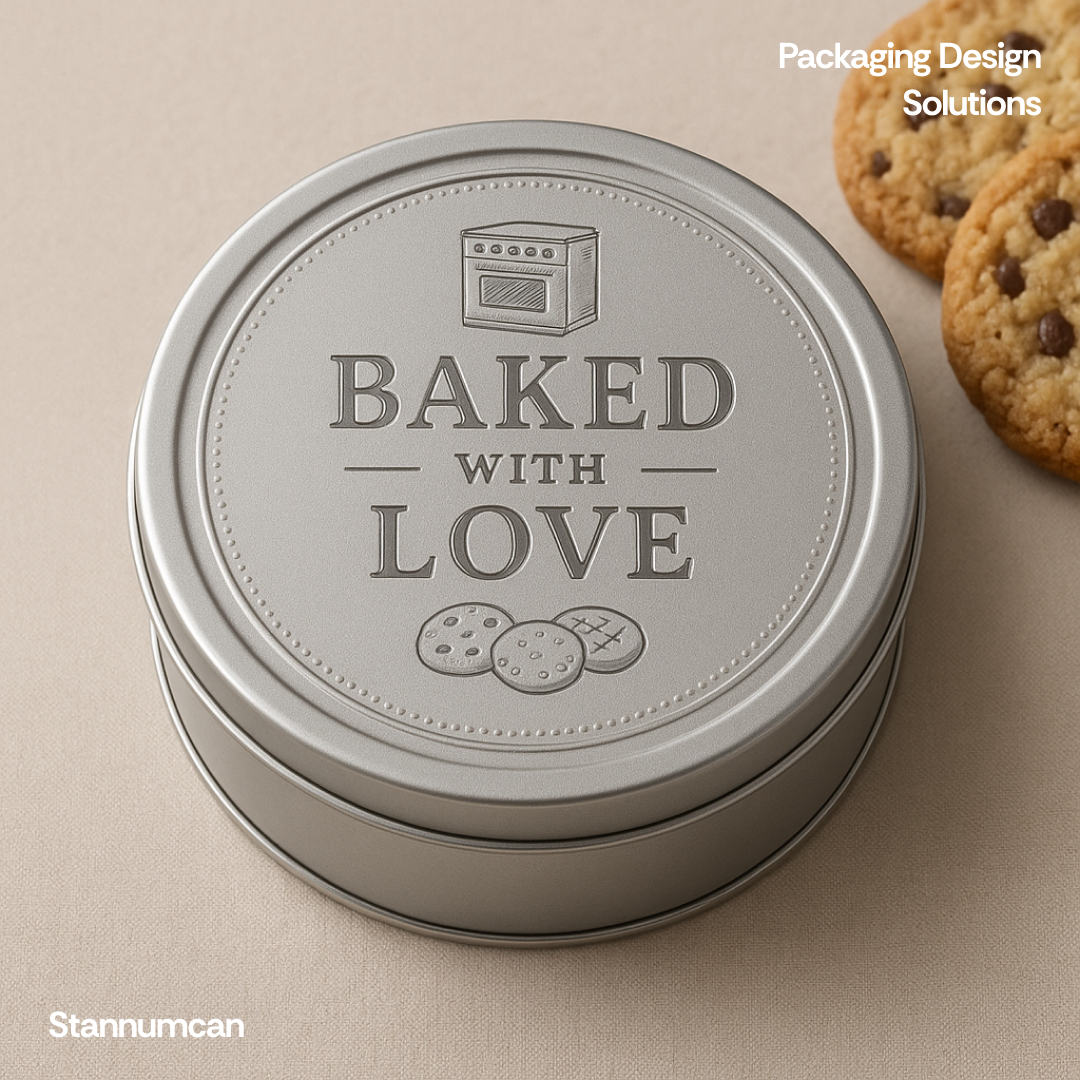
Top-View Branding Secrets for Food Tins that Stand Out and Sell
With the rise of e-commerce, it’s essential to understand how your product stands out online. Visual elements on the tin lid can significantly impact click-through rates and sales conversions. Consider how your design will look not only in person but also on digital platforms.
👁️ Why the Tin Lid Is Prime Real Estate
For example, a vibrant, colorful design can attract attention, while a minimalist approach can convey sophistication. Think about your target audience and what aesthetics resonate with them.
Many brands have successfully utilized user-generated content showcasing their tin lids. Encourage your customers to share images of your products in their homes. This not only enhances engagement but also creates a community around your brand.
Your tin lid is more than a cover—it’s your brand’s first handshake with the customer.
It’s what shoppers see in a flat-lay photo.
It’s what sits proudly on a kitchen shelf.
It’s the hero of every unboxing moment.
Understanding the psychology behind consumer behavior is crucial. For instance, colors evoke emotions, and specific shapes can trigger memories. A well-designed lid that taps into these psychological factors can create a strong emotional connection with your customers.
Top-view branding turns a simple lid into a powerful storytelling tool. Especially in food packaging—like cookie tins, tea tins, or chocolate tins—a well-designed lid becomes the face of the product.
🎯 The Psychology of the Top-Down Gaze
Research shows that when people browse store shelves or online gift sets, they tend to look down first. That means the tin lid is your main billboard.
A great lid:
- Triggers curiosity
- Reinforces your brand
- Elevates perceived value
- Encourages impulse purchases
In a world of fast-scroll e-commerce, top-down visuals dominate—your lid must shine in thumbnails, shelf shots, and lifestyle posts.
🛠️ What Makes a Lid Tell a Story?
Not all tin lids are created equal. The ones that tell a story usually have these 3 elements:
1. Visual Narrative
Illustrations, symbols, or photo-real graphics that hint at the product’s flavor, mood, or origin.
Examples:
- A cozy cottage scene for a tea packaging tin
- A vintage oven illustration on a cookie tin
- A gold foil moon for a Mid-Autumn chocolate tin
2. Typography with Intent
Use custom fonts or hand lettering that fits your brand’s tone—playful, luxurious, artisanal, or retro. Combine this with a clever hierarchy: product name first, tagline second, supporting info last.
When designing your lid, think of how it can tell the story of not just the product but also the journey of the brand. Sharing the history of your product or the sourcing of ingredients can create a deeper connection with consumers.
3. Finishes & Texture
Sustainability is increasingly important to consumers. Highlighting eco-friendly materials or processes can enhance your brand image and attract environmentally conscious buyers.
Embossed logos, spot gloss, or matte lamination help guide the eye and hand. These tactile details add depth to your story. Think raised floral frames or etched borders.
🔁 Consistency Is Key
Your lid should match your:
Creating a multi-sensory experience can also be beneficial. Think about incorporating scents or interactive elements that engage customers beyond just sight.
- Side-wall graphics
- Bottom stamp (if branded)
- Outer sleeve or box (if applicable)
This creates a cohesive experience—essential in premium tin packaging for gift sets, seasonal collections, or custom printed tins.
Think about brands like Coca-Cola, which have used consistent branding across all products. Each element of your packaging should harmonize, creating a seamless experience from the lid to the tin itself.
🧠 Pro Tip: Design for Reuse
A tin that’s too beautiful to throw away becomes a permanent part of a customer’s home. That means free brand impressions for years. Design it like it’s meant to last.
Examples:
- Elegant candle container lids that can be reused for storage
- Tin boxes for cookies that double as keepsake boxes
- Custom printed metal tins designed with modular patterns or collectible series
💡 Industry Inspiration
Consider the importance of seasonal designs. Limited-edition tins can drive sales during holidays, creating urgency and excitement. Brands often release special designs that capture the essence of the season.
Check out how other food brands are embracing storytelling in their lids:
- Fortnum & Mason – intricate illustrations on tea tin lids
- Ladurée – embossed pastel cookie tins with seasonal themes
- Godiva – sleek gold-foiled chocolate tins with minimal yet iconic branding
These brands use tin packaging to turn every lid into a stage.
🌿 A Note on Sustainability
Designing lids that tell a story supports sustainable packaging. When the tin feels like a collectible, customers are more likely to reuse than discard. It extends the life of your packaging and supports eco-conscious branding.
🔚 Wrap-Up: Make the Lid Do the Talking
In the world of custom metal packaging, your lid is not an afterthought—it’s your loudest storyteller.
It’s what consumers photograph, remember, and reuse.
And it’s your opportunity to turn a product into a piece of art.
Finally, remember that your tin lid will often be the first point of interaction with consumers. Make it memorable. It should be a conversation starter, sparking curiosity and interest in your product.
🔗 Visit Stannumcan.com for the Full blog & all the moulds