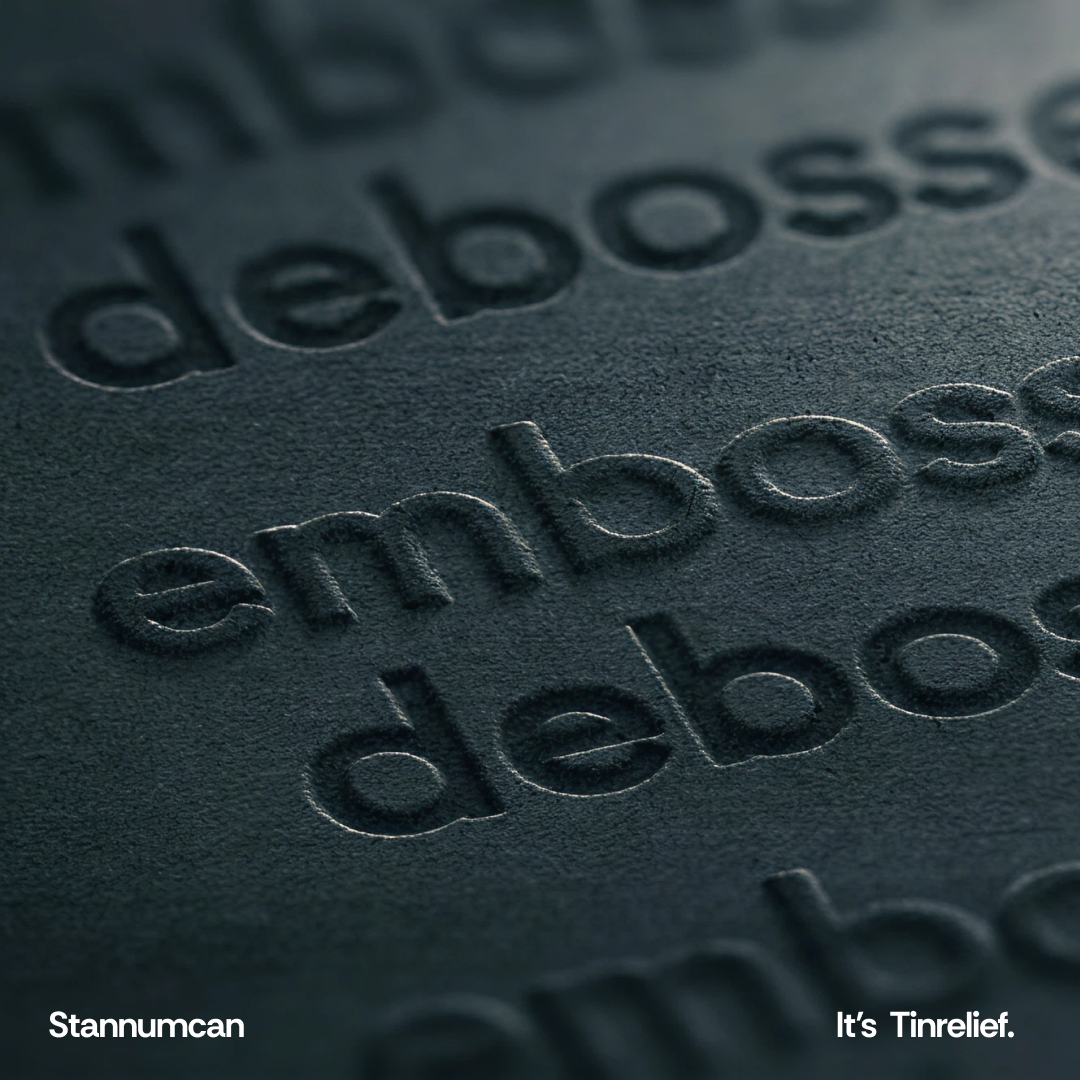
Tin packaging isn’t just functional—it’s a tactile experience. When brands want to add texture, elevate shelf presence, or create an unforgettable unboxing moment, embossing and debossing are two powerful techniques that stand out in metal packaging design.
But which one works best for custom tins—especially in luxury markets like cookie packaging, tea tins, and cosmetic packaging? Let’s break down how each technique works, where they shine, and how to choose the right finish for your next project.
✨ What Is Embossing?
Embossing raises part of the design above the surface of the metal tin box, creating a dimensional texture you can both see and feel.
✅ Best for:
- Logos and signature brand elements
- Premium packaging design that feels “expensive”
- High-end applications like candle packaging, chocolate tins, and gift sets
📦 On Tin:
Tinplate responds beautifully to embossing. You’ll get crisp edges, defined curves, and highlights that shift with the light—perfect for brands aiming to make a bold visual statement.
🎯 What Is Debossing?
Debossing is the opposite of embossing. Instead of raising the surface, it presses the design into the tin, leaving a sunken texture that feels subtle and refined.
✅ Best for:
- Minimalist packaging
- Light texture or detail elements
- Cookie packaging, tea tins, and product lines where quiet elegance speaks louder than flashy design
🧲 On Tin:
Debossing provides a modern, understated finish. It’s especially effective when working with natural metallic surfaces where you want design details without overwhelming the packaging.
🆚 Embossing vs. Debossing: A Side-by-Side Breakdown
| Feature | Embossing | Debossing |
|---|---|---|
| Surface Texture | Raised above surface | Indented into surface |
| Visual Impact | Bold, eye-catching | Subtle, modern |
| Touch & Feel | Strongly tactile | Sleek, smooth |
| Best for Branding | Logos, badges, hero elements | Text, background patterns |
| Ideal Use Cases | Candle tins, gift boxes | Tea packaging, cosmetics |
🎨 Design Tip: Use Both for Maximum Impact
Yes—you can (and should) combine embossing and debossing strategically!
Here’s how:
- Emboss your brand logo while debossing a subtle pattern in the background
- Emboss the product name on the lid and deboss the ingredients or texture around the base
- Use both techniques to create layered dimension in custom printed metal boxes
This dual-finish approach is especially effective in luxury packaging, where craftsmanship, detail, and storytelling all matter.
Explore similar design inspiration in our metal packaging design tips.
🌱 Are These Finishes Sustainable?
Absolutely.
Both embossing and debossing use mechanical pressure—no inks, no plastic, no extra materials—making them an ideal choice for sustainable packaging. When applied to tinplate, a 100% recyclable material, these finishes align perfectly with eco-conscious goals.
This means your custom metal packaging can look premium and support zero-waste branding.
Learn more in our guide to eco-friendly metal packaging.
🧪 Feel vs. Function: How to Choose the Right Finish
Still unsure which direction to go?
Ask yourself these questions:
- Are you going for boldness or subtle elegance?
- Do you want the customer to feel the texture, or simply notice the detail?
- Will the finish reinforce the product’s identity—or distract from it?
If you’re investing in custom printed tin packaging, think about the end-user experience, especially if the tin will be reused. Texture isn’t just a visual element—it’s a memory trigger.
📈 Real-World Inspiration: Chocolate Tin Packaging
Luxury brands like Charbonnel et Walker and Läderach often combine embossing and debossing in their chocolate packaging. They emboss their logo on the tin lid for strong brand recall while debossing intricate side patterns to add tactile depth.
This creates a multi-sensory experience that communicates quality and makes the tin worth keeping—an unspoken driver of long-term brand loyalty.
🛠️ Final Verdict: Which One Should You Choose?
There’s no one-size-fits-all answer—but there is a clear framework:
✅ Choose Embossing if:
- You want high visibility and bold texture
- Your design centers around logos or graphic elements
✅ Choose Debossing if:
- You’re going for elegance, minimalism, or a premium quiet aesthetic
- You want subtle texture that complements, not dominates
✅ Use Both if:
- You want your custom tin packaging to feel handcrafted, layered, and rich in detail
🧭 Pro Tip: Before finalizing your design, consult your tin supplier to understand mold limitations, tinplate thickness, and production feasibility.
🔗 Conclusion
Embossing and debossing are more than just print finishes—they’re tactile tools that tell your brand story through metal packaging design. Whether you’re packaging candy, cosmetics, tea, or candles, these textures elevate perception, drive engagement, and deliver lasting ROI.
📦 Ready to add depth to your packaging?
Visit Stannumcan.com for the full blog & all the moulds.