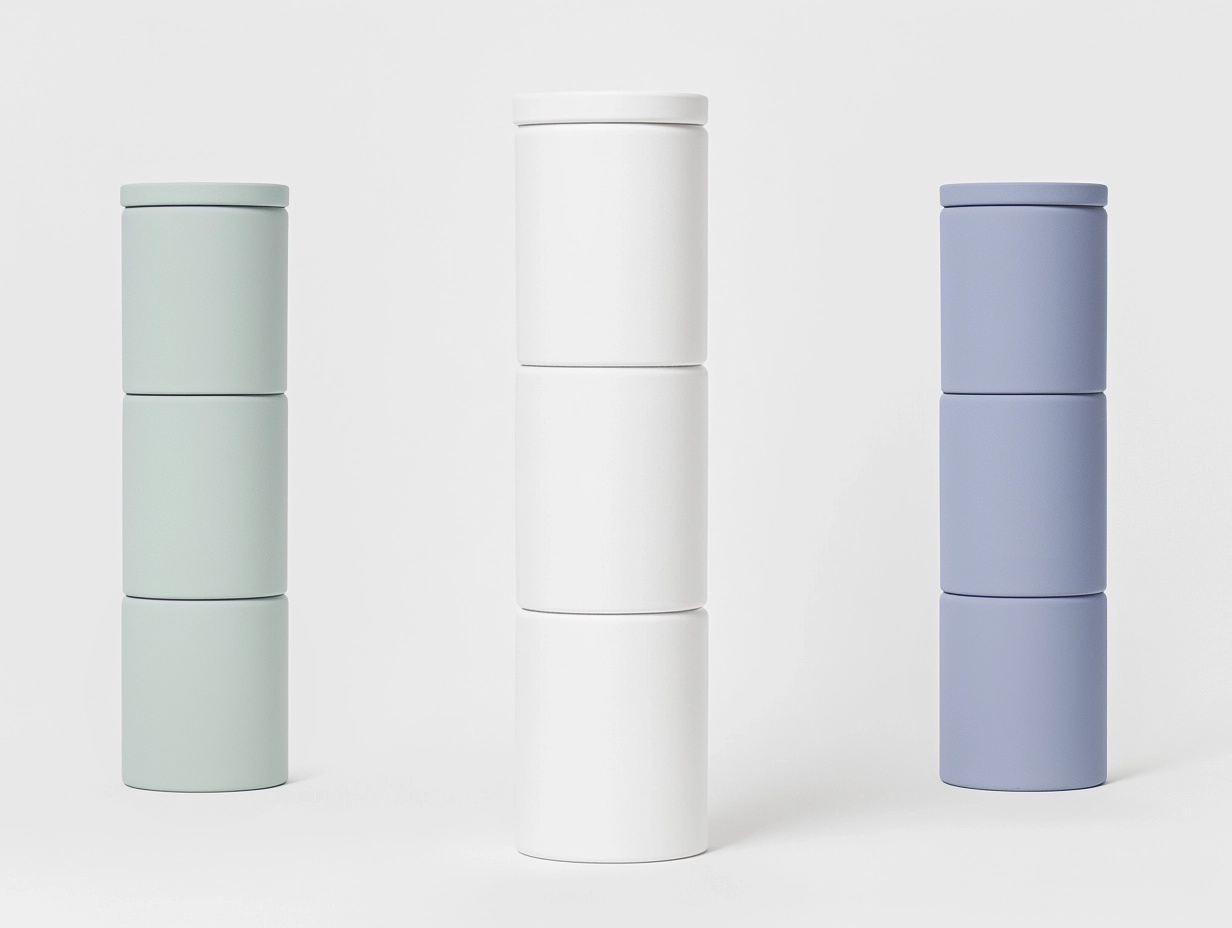
Why smart brands are going vertical in 2025
In the world of packaging design, how a product is stacked matters just as much as how it’s styled. That’s why more companies are ditching bulky, one-use boxes for stackable tin packaging that saves space, cuts costs, and enhances brand appeal.
Here are 5 data-backed reasons why going stackable is the smartest packaging move you’ll make this year:
📦 1. Space Efficiency = Cost Efficiency
Stackable packaging can reduce warehouse needs by up to 50%. By optimizing vertical storage, you free up floor space and shrink your logistics footprint. For retail shelves, this means up to 20% more product visibility—great for catching impulse buyers.
💡 Home Bonus: Stackable metal tins take up 50% less pantry space compared to bulky cardboard boxes. Consumers notice.
🧠 Stat Alert: IKEA slashes logistics costs by 15% annually just by using stackable formats for its furniture packaging.
🚚 2. Cuts Shipping Costs by 15–25%
No more shipping air! Stackable packaging reduces the empty space in trucks, resulting in 15–25% savings per shipment.
And it’s not just about volume. Durable metal packaging lowers product damage by 40%, minimizing costly returns and improving customer satisfaction.
🛍️ Pro Tip: Subscription box brands using stackable packaging report 30% fewer complaints about damaged items.
📊 Fact: Every $0.15 saved per package adds up—especially for high-volume e-commerce brands.
💡 3. Boosts Brand Recall by 60%
When packaging looks good and stacks well, customers remember. Stackable tins are not only shelf-stable—they’re Instagrammable.
👀 68% of consumers notice packaging before the product. With stackable metal tin boxes, your brand becomes the one they remember—and share.
🧠 Stat Alert: Bold, colorful tins increase brand recall by 50% in crowded retail environments. Glossier did it—and saw a 45% sales spike.
📈 Want to go viral? Stackable packaging makes your unboxing Reels pop.
🌱 4. Eco Hero: 40% Less Waste
Let’s talk sustainable packaging. Stackable formats use 40% less raw material than irregular boxes. Whether it’s tin, glass, or paperboard, stackable containers cut waste at every step.
🌍 Lush replaced plastic pots with compostable stackable containers, reducing plastic use by 70%.
♻️ Millennials (65%) now prefer reusable or refillable packaging. Stackable custom tins hit both marks.
🌳 Stat Alert: If just half of FMCG brands switched to stackable formats, we’d save 18 million trees annually.
💖 5. Customer Love: 80% Reuse Rate
Good metal packaging doesn’t get thrown away—it gets repurposed.
From tea tins turned storage boxes to cookie containers used for crafts, 80% of shoppers reuse stackable packaging. That’s free brand exposure sitting on kitchen shelves and desks.
🧺 Stackable = Functional. Nesting containers and foldable formats are 2x more likely to be reused than traditional boxes.
📊 Stat Alert: 72% of Gen Z and millennial shoppers say they’re more loyal to brands with packaging they can reuse.
💬 Final Thought
Stackable tin packaging is more than just a design trend. It’s a smart, sustainable, and stylish solution that speaks to what modern consumers actually want—less waste, more function, and products that fit their lifestyle.
So next time you think about metal packaging, think vertically. Think stackable.
🔗 Visit Stannumcan.com for the full blog & all the moulds.